
Breaking (RE)NEWS du 18 octobre 2024
Hello,
Vroom vroom, as they write in comic books! As you will not have missed, the Paris 2024 Motor Show, to use its official name, was in the news this week. The press is overflowing these days with articles and viewpoints, often contradictory and sometimes tinged with bad faith, about cars. It must be said that between isolated residents of vast countries and Parisians living without a car, or conversely those who enjoy listening to FIP on the Sunday evening ring road traffic jam, everyone has their opinion! In truth, as elsewhere on environmental matters, the answer lies in nuance and pragmatism. Yes, a car (or even a plane!) in Nevada, hard to do without. Same goes for some of our rural areas. Car sharing is good too. Cycling, electric or not, is also beneficial. Everywhere, intermodality is definitely the key!
But another debate is taking precedence over all others: the "wattcar." The wattcar, that electric vehicle destined to replace, by 2035, our "old bangers" with their smoky, sputtering combustion engines. Reduced CO2 emissions in the air but production with a concerning environmental impact, energy efficiency versus dependence on rare minerals—the electric car concentrates all the paradoxical demands of the environmental and economic transition. These demands are also reflected in the hesitations of the European regulator, fluctuating with elections. But unless European legislation changes (which would be like breaking the thermometer to ignore the illness), the sector has no choice but to address these issues proactively.
The French government wants to increase the number of cars produced in France to 2 million by 2030—while half the value of an electric car lies in its battery, electric motors, and software. These are all components, and often new players, that, for now, are not French. Similarly, the overwhelming majority of rare earths used in batteries are extracted and, more importantly, refined in China—90% of them. Today and for the foreseeable future, China is the only country that has managed to build the entire value chain for electric vehicle production on its own soil.
The ultimate goal of French and European policies is not to "annoy the French," as Pompidou said, nor even to burden the struggling European automotive industry, but rather to rethink transportation, reduce its greenhouse gas emissions, and also (re)establish European champions. The scientific consensus is clear: there is no decarbonization of the economic activity possible without decarbonizing transportation. In calculating the emissions of an electric car over its entire lifecycle, some uncertainties remain, but the scientific consensus is also clear on this point: the electric car always wins against the combustion engine car.
According to ADEME, however, the environmental impact of an electric vehicle will be all the better depending on the energy mix used to recharge it, as well as its weight, battery power, and the intensity of vehicle use. If it is a second car, it might as well be light. In short, it's not that simple. And that's just as well, because at (RE)SET, we love challenges and we want to start thinking about solutions! "Watt else"? If the subject interests you, you can learn more, under the pen of Géraldine Poivert, founder of (RE)SET, on LinkedIn.
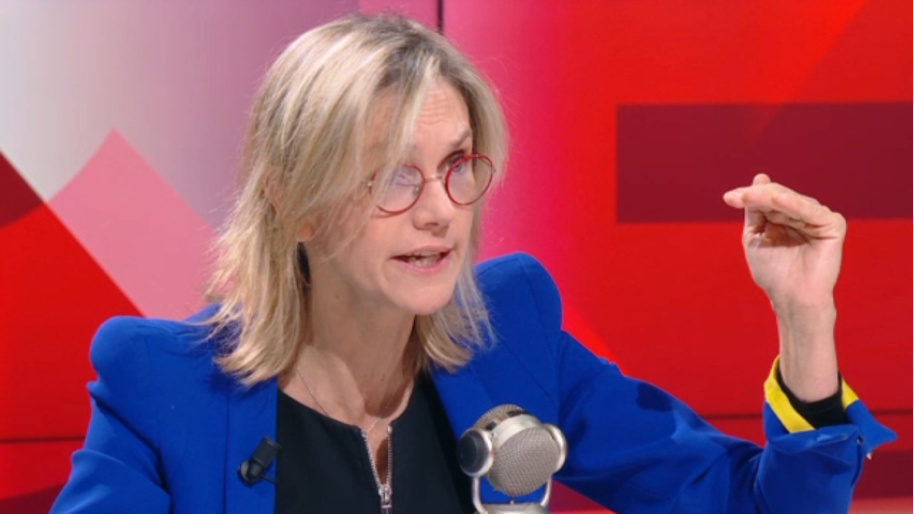
There is media life outside of the automobile, and it's called the budget! Negotiations are in full swing – or rather, chugging slowly along, depending on the view – for the 2025 Finance Bill (PLF). Our previous edition told you: it is against the backdrop of the PLF that we will know whether the famous "ecological debt" dear to our Prime Minister is "a concept that sings more than it speaks," or whether it has tangible consequences. For now, as we suspected, signs are accumulating that point, in a context of "tight" budget, to a net decrease in spending related to the transition. That is at least the feeling of the minister directly concerned, Minister of Ecological Transition Agnès Pannier-Runacher, who is already brandishing the threat of being forced to leave if she does not have "the means for [her] action": "We need a budget that matches the situation, and that is not the case today," the Minister fumed on RMC-BFMTV. If she does not get what she wants from the government, she will draw "conclusions." "I think we need to open our eyes," the Minister insists. "I expect the national representation to take up this subject. I don't know if we have to wait for further tragedies when investing in climate change adaptation is an absolute necessity," she adds, annoyed. "In terms of budget, spending on climate change adaptation and the fight against greenhouse gases is not up to par." But all is not lost, and Agnès Pannier-Runacher continues to praise Michel Barnier's work. "The Prime Minister is very clear about the issue of ecological debt. He held my position, he created the Barnier fund, he will grasp the scale of the subject," she wants to believe. We want to believe it too.
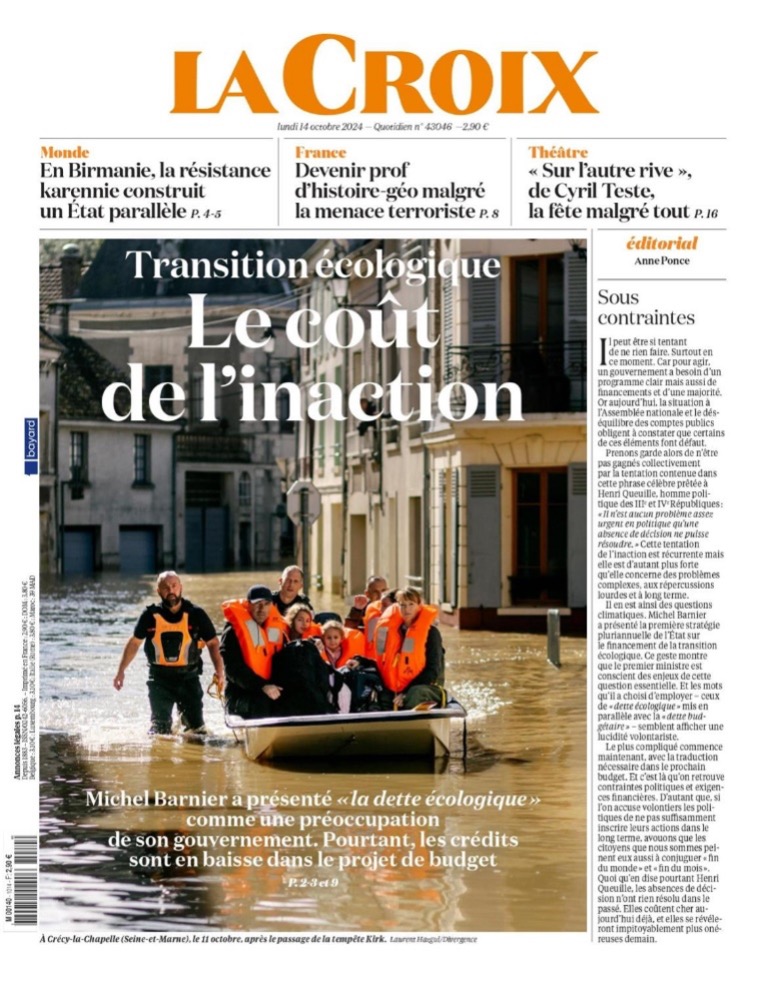
Still on the budget, with a useful reminder on the front page of La Croix: reducing public spending related to the transition can have a serious boomerang effect because, though sometimes forgotten, it is often repeated: doing nothing is often the most expensive solution: the famous costs of inaction...
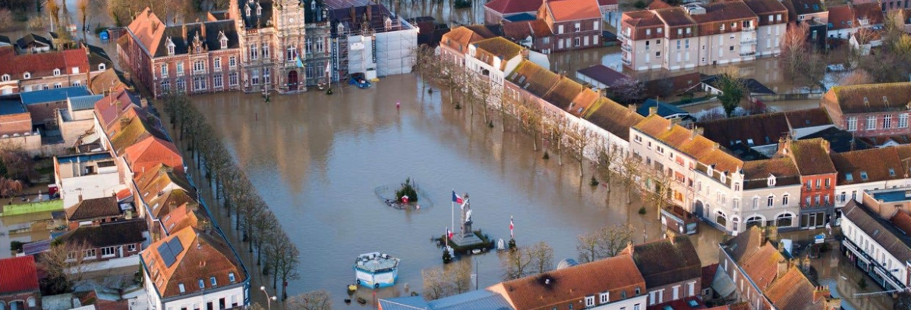
Our symbolic section, the weather of the week, , looks at flooding in… September. First, September 2024 was the second warmest month ever measured, accompanied by "extreme" precipitation, continuing a streak of over a year of exceptional temperatures that makes it "almost certain that 2024 will be the hottest year ever measured," surpassing the 2023 record, announced the European observatory Copernicus, quoted by Le Monde. "The extreme precipitation last month, which we are observing more and more often, was exacerbated by a warmer atmosphere," leading in some places to "months' worth of rain in a few days," said Samantha Burgess, deputy director of the Copernicus Climate Change Service (C3S). The monthly bulletin highlights examples such as "Storm Boris," which brought exceptional flooding to Central Europe, the monsoon that "severely hit" Pakistan, and Typhoon Krathon, which struck Taiwan and the Philippines in early October. September was also marked by the devastation of Super Typhoons Yagi and Bebinca in Asia, deadly floods in Nepal and Japan, and Hurricane Helene in the United States. In West and Central Africa, an intense rainy season has claimed more than 1,500 victims, left four million people affected, and 1.2 million displaced, according to the International Organization for Migration (IOM).
And that was in September. If you have turned on your television in the past few days, you already have an idea of what the month of October will be like, at least in France.
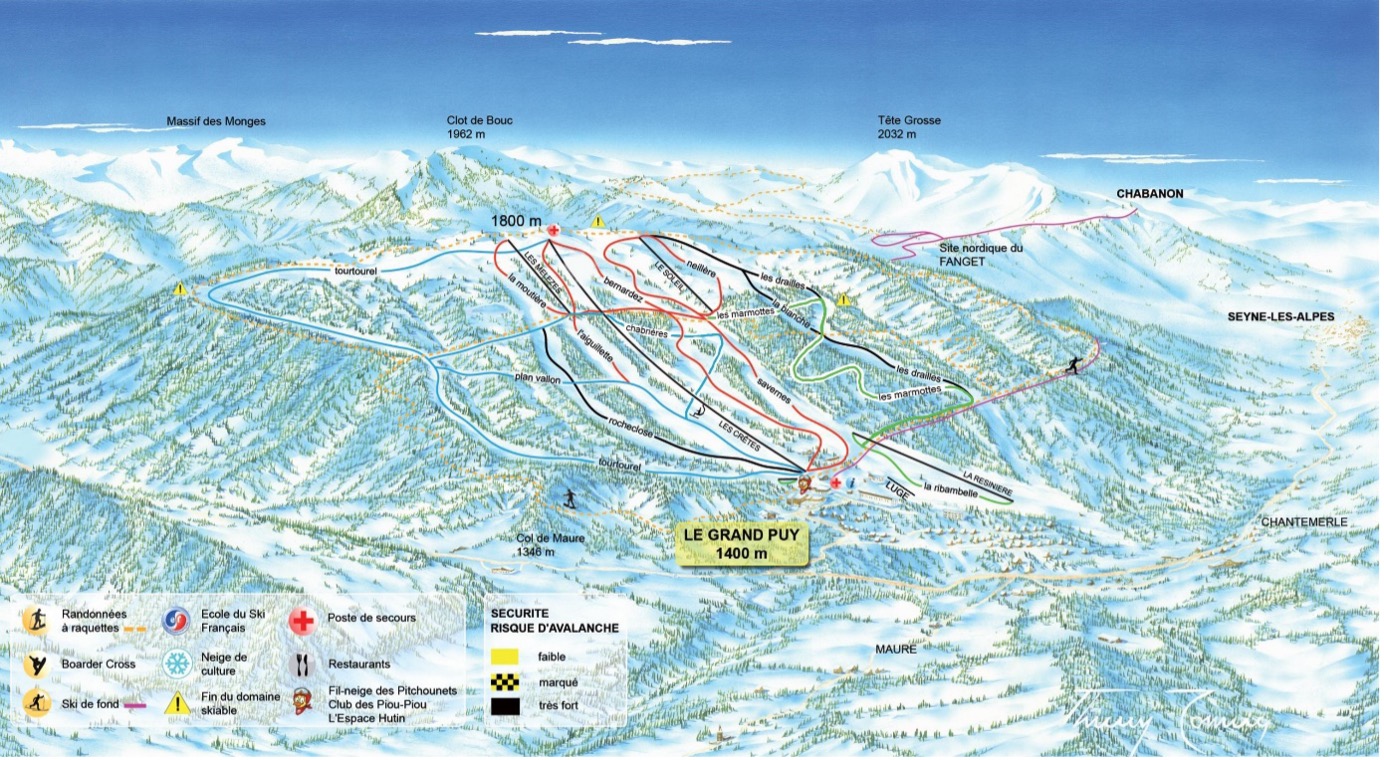
Continuing with the climate crisis, the victims of the week are two Alpine ski resorts. Le Monde explains the why and how of the definitive cessation of skiing activities at the Grand Puy resort (a ski area with 24 kilometers of slopes, between 1,370 and 1,800 meters above sea level), in the Alpes de Haute-Provence. The reason is simple: recurring lack of snow, leading to increasing financial losses year after year. The municipality is now considering offering its visitors "outdoor sports and nature activities that respect the environment," said Mayor Laurent Pascal. The transformation of a hillside reservoir into a fishing lake and the construction of a trail running stadium are being discussed. A little further away, in Isère, the Matheysine community of communes has also decided to end subsidies for the Alpe du Grand Serre ski resort, which should therefore close after 85 years of existence. More than 180 ski resorts have closed in France since the 1970s, most often located in mid-mountain areas, according to a count by geographer Pierre-Alexandre Metral, a doctoral student at the University of Grenoble and specialist in reconversion strategies.
From one crisis to another, the COP of the week that is opening is the one dedicated to biodiversity, the 16th of its name. COP16 Biodiversity is taking place from October 21 to November 1 in Cali, Colombia, and Novethic – which is on top of things and whom we salute here – presents it to us. This Conference of the Parties brings together countries or groups of countries (such as the European Union) that have ratified the Convention on Biological Diversity. There are 196 of them. All UN member states, with the notable exception of the United States, have therefore ratified this convention. In 1992, at the Rio Earth Summit, three conventions were launched – the Convention on Biological Diversity (CBD), the United Nations Framework Convention on Climate Change (UNFCCC), and the United Nations Convention to Combat Desertification (UNCCD) – giving rise to three COPs. This year, the 3 COPs are being held consecutively: COP16 Biodiversity in October, then COP29 on climate in Baku, Azerbaijan, in November, and COP16 on Desertification in Riyadh, Saudi Arabia, in December. COP16 is above all a COP for the implementation of the Kunming-Montreal Agreement, which sets 23 targets, such as preserving at least 30% of land and seas by 2030, reducing pollution and risks related to pesticides. It has three main objectives: to discuss monitoring indicators, to review state commitments, and to address financing for biodiversity.
Small problem, "less than 20% of countries have presented their action plan to halt the destruction of terrestrial ecosystems, contrary to the commitment made to the United Nations, reveals an unprecedented investigation" conducted notably by the British daily The Guardian. In fact, only 25 countries have so far published their "national biodiversity strategy and action plan." Seventeen countries alone host 70% of global biodiversity. Among them, five have submitted their plan: Australia, China, Indonesia, Malaysia, and Mexico. Brazil, a country with particularly rich and varied ecosystems, has not yet published anything. However, Braulio Dias, director of biodiversity preservation at the Ministry of Environment, assures that his country will present its roadmap in early 2025, covering a period until 2050. Among G7 countries, France, Italy, and Japan are considered among the better students.

The "Parties" gathered in Colombia can fuel their debate with the weighty report of the week, written by WWF, which reveals that wild vertebrate populations have declined by 73% in fifty years. The new edition of the "Living Planet Report," just published by the World Wide Fund for Nature, is intended as a call to action: it shows that despite promises, the health of species and ecosystems continues to deteriorate. This annual update of the "Living Planet Index" (LPI) assesses the abundance of wild vertebrate populations. It indicates that between 1970 and 2020, the average size of monitored populations of birds, mammals, amphibians, fish, and reptiles has therefore decreased globally by 73%. The previous edition, in 2022, reported a decline of 69%. Vertebrates represent less than 5% of known animal species, but are the most studied. In detail, the report reminds us that freshwater species populations continue to fare the worst, with an 85% decline in abundance over fifty years, compared to a 56% decline for marine species populations and 69% for terrestrial species populations. The trend is also more pronounced in the Southern Hemisphere than in the Northern Hemisphere, where biodiversity damage began well before 1970. The relative abundance decline thus reaches 95% in Latin America and the Caribbean, 76% in Africa, 60% in Asia and the Pacific, and "only" 39% in North America and 35% in Europe and Central Asia. This document is an opportunity to recall the main threats to biodiversity, all of human origin and identified by the Intergovernmental Science-Policy Platform on Biodiversity and Ecosystem Services (IPBES, the equivalent of the IPCC for climate): habitat loss and degradation, particularly due to intensive agriculture and urbanization; overexploitation of resources (overfishing, forestry, hunting…); climate change; chemical pollution (pesticides, insecticides…) or plastic pollution; and invasive species. All of which leads Jean Burkard, advocacy director for WWF in France, interviewed by Libération, to say that "nature is in full burnout."
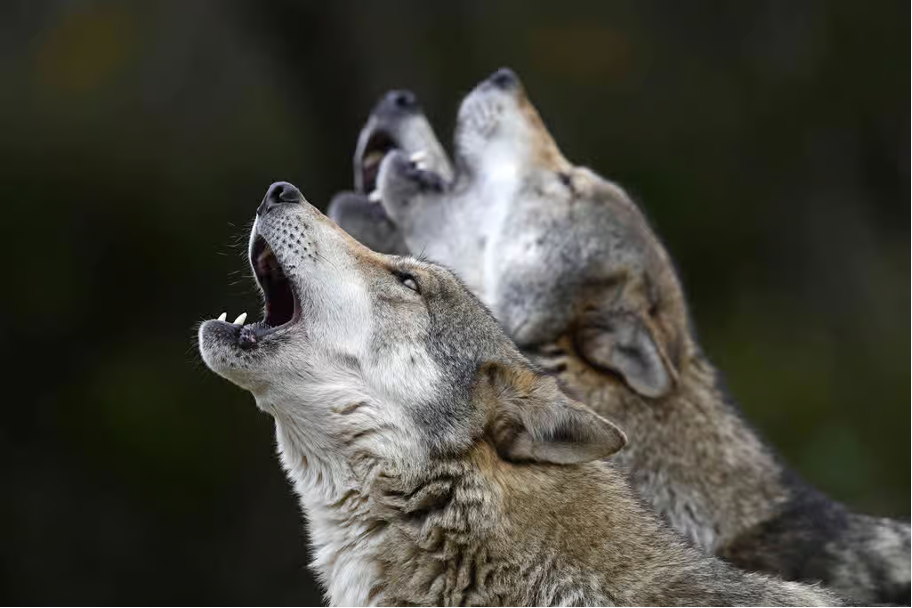
Still on biodiversity, the threatened animal of the week is once again the wolf. And the European political harassment it is undergoing is a symbol, according to a provocative article by the columnist of Le Monde, explicitly titled: "If political will is lacking to protect the wolf, it will be lacking for everything else." Breaking (RE)NEWS has already mentioned the sad fate of the pony Dolly, killed by a wolf at the ripe age of 30. Unlucky for the wolves, said pony was the darling of the President of the European Commission, Ursula von der Leyen. Since then, writes Le Monde, "the European executive has decided to get rid of the canine." Around a thousand wolves live on French territory. They coexist there with 68 million human beings, 16 million cattle, 7 million sheep, and 1 million equids of all kinds. A thousand wolves, therefore, discreetly roam the forests and mountains of a country of 55 million hectares. That's very few wolves per square kilometer, but it's already too many. France is one of about twenty EU member states that favorably welcomed the Commission's proposal on September 25 to reduce the level of protection for the large carnivore. The European decision is not only worrying for the survival of wolf populations; it sets a precedent that crystallizes the fragility of the political will to safeguard what remains of nature on the Old Continent. The downgrading of Canis lupus "first of all enshrines the possibility at the highest level of community institutions of a personal crusade," continues Le Monde. Above all, if there is no political will to activate the socio-economic levers capable of properly managing the wolf, there will be none to safeguard the rest of biodiversity. Why? Not only does the large predator cause only marginal damage, but it also belongs to the cultural heritage, making it a very popular cause: for about ten years, surveys estimate that between 75% and 85% of French people want strong protection for this emblematic animal. By comparison, dung beetles, earthworms, hoverflies, bumblebees, bats, and all the other invisible critters that provide crucial services to human societies do not have such a capital of sympathy. And the measures to be implemented to protect them – redefining agricultural and food systems, revising land use strategies, etc. – are, moreover, much heavier than the arrangements necessary for wolf management. "The point is clear: if political will is lacking to protect the latter, it will be lacking for everything else," concludes Le Monde.
The animal reintroduced this week is the tiger. Let's reassure Ursula von der Leyen immediately: not in Europe. Tigers have just been reintroduced to Kazakhstan, 70 years after their disappearance due to pressure from industrialization and agricultural expansion that destroyed their natural habitat, as well as hunting. Two Siberian tigers have just been reintroduced into the Ile-Balkash nature reserve. After years of work with local communities and NGOs, and ecosystem restoration efforts, Bodhana and Kuma, a pair of tigers, have been placed in a semi-wild area. Their offspring could help repopulate the area, where this predator historically played a role in regulating ecosystems and biodiversity. The result of a programmatic agreement with WWF, which rejoices in the event.
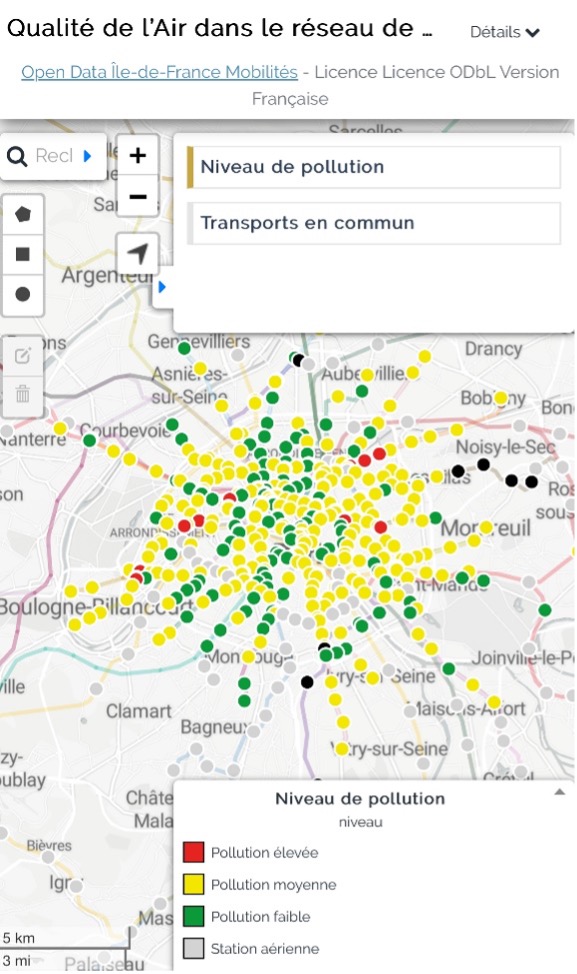
The bad news of the week, for Parisians, is the air quality in the metro and RER: thirteen stations are above the recommended thresholds for fine particle concentrations, according to the latest report fromAirparif. We will take very partial comfort in noting that for once, "working-class" stations are not worse off than so-called "bourgeois" ones. If you can, try to avoid the most polluted stations: Iéna, Belleville, Jaurès, Laumière, Michel-Ange-Auteuil, Michel-Ange-Molitor, Oberkampf, Ourcq, Père-Lachaise, Pigalle, Saint-Philippe-du-Roule, and Trocadéro.
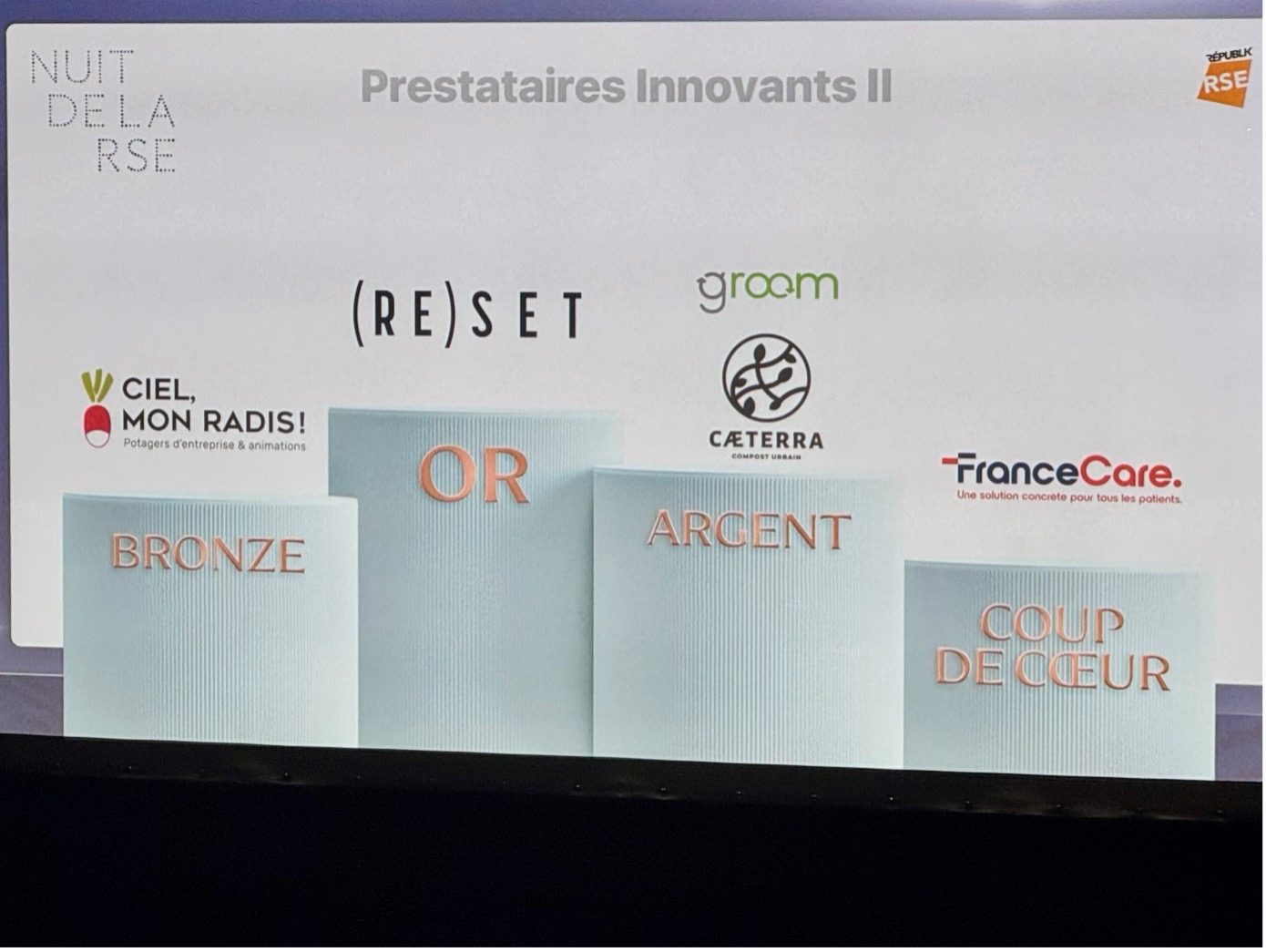
The award of the week is of course the one won by (RE)SET during the CSR Night: gold medal in the "Innovative Service Providers" category, awarded by a jury composed of CSR Directors from the largest French companies. To use Géraldine Poivert's words on LinkedIn, it was a "moment of emotion," especially because the award recognized the "Great Work" (collective) of our firm: action consortia, our philosopher's stone of the environmental and economic transition! For five years, (RE)SET has been promoting the coalition as a mode of organization and work, successfully advancing together companies that are often highly competitive in the search for sustainable solutions, which have already helped to move things forward, for example in cosmetics or textiles. Alone, we might go faster, but together we certainly go further!
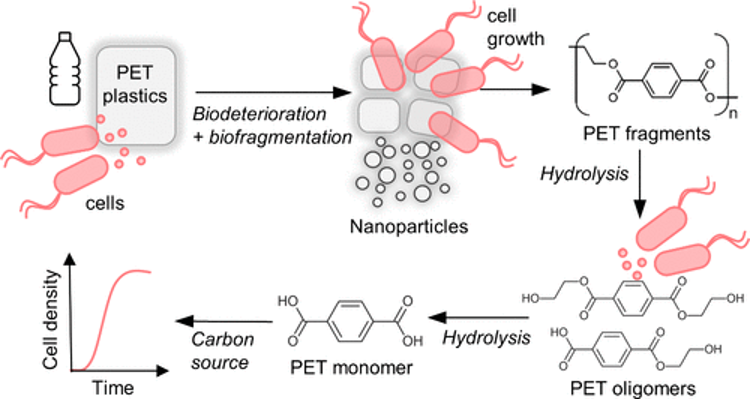
The bacterium of the week goes by the gentle name of Comamonas testosteroni (CT, to its friends). Present in wastewater, it has a superpower: it devours plastic and turns it into possible food, Libération describes! Scientists have shown that these bacteria, commonly found in wastewater, can break down plastic and turn it into a food source. The researchers see this promising discovery as a hope in fighting one of the main problems of global pollution. In a study published this month in Environmental Science and Technology, researchers examined CT, which grows on polyethylene terephthalate, or PET, plastic commonly used in single-use food packaging and water bottles. PET accounts for about 12% of global solid waste and 90 million tonnes of plastic produced annually.
Although these bacteria are promising for fighting pollution, they are not yet ready to be introduced into wastewater treatment plants or landfills as a cleanup solution. "We want plastic to break down much faster than bacteria do," said Rebecca Wilkes, co-author of the study and postdoctoral researcher at the National Renewable Energy Laboratory, the main laboratory of the US Department of Energy.
At (RE)SET, we nonetheless remind you that, regarding plastic, the best approach remains to reduce, sort, recycle, and not forget that 80% of the world's population lacks access to effective plastic waste management systems…
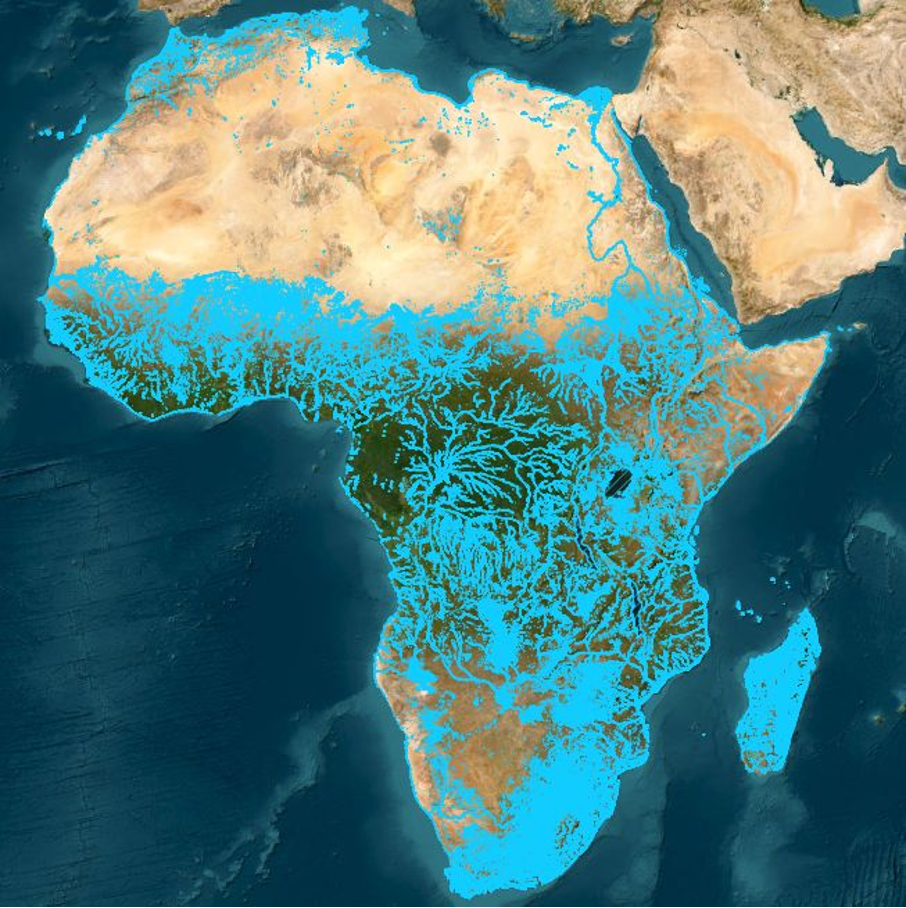
Our Maxime Blondeau section of the week is dedicated to Africa and, as always, includes a very revealing map posted on LinkedIn. It is obvious that "water is abundant in Africa. Yet, 400 million Africans do not have access to drinking water." With 17 rivers of global significance and 160 lakes, the African continent has renewable water resources estimated at more than 5,400 billion m3 per year. However, due to high precipitation variability, droughts and floods, and above all, unequal rainfall distribution, access to water is not homogeneous. The low level of investment in infrastructure and drinking water management, combined with rapid population growth, means more than one-third of the population lacks access to basic services. In Africa, in 2024, more than one in three citizens is affected by lack of water. By 2030, due to climate change, over 300 million more Africans will be impacted by lack of water in their daily lives. Political situations in Chad, Mali, and Sudan are indirectly linked to water. Conflicts and violence, massive population displacement, but also falling agricultural yields, desertification of entire regions, increased travel times, chronic food insecurity… The Sahel and East Africa are on the front line. But according to UNICEF, the deleterious consequences of lack of water will also affect North Africa. Water stress already affects nine out of ten African children, sometimes causing serious after-effects on their health, nutrition, and development. In other words, explains Maxime Blondeau, Africa's water economy will undoubtedly determine its future.
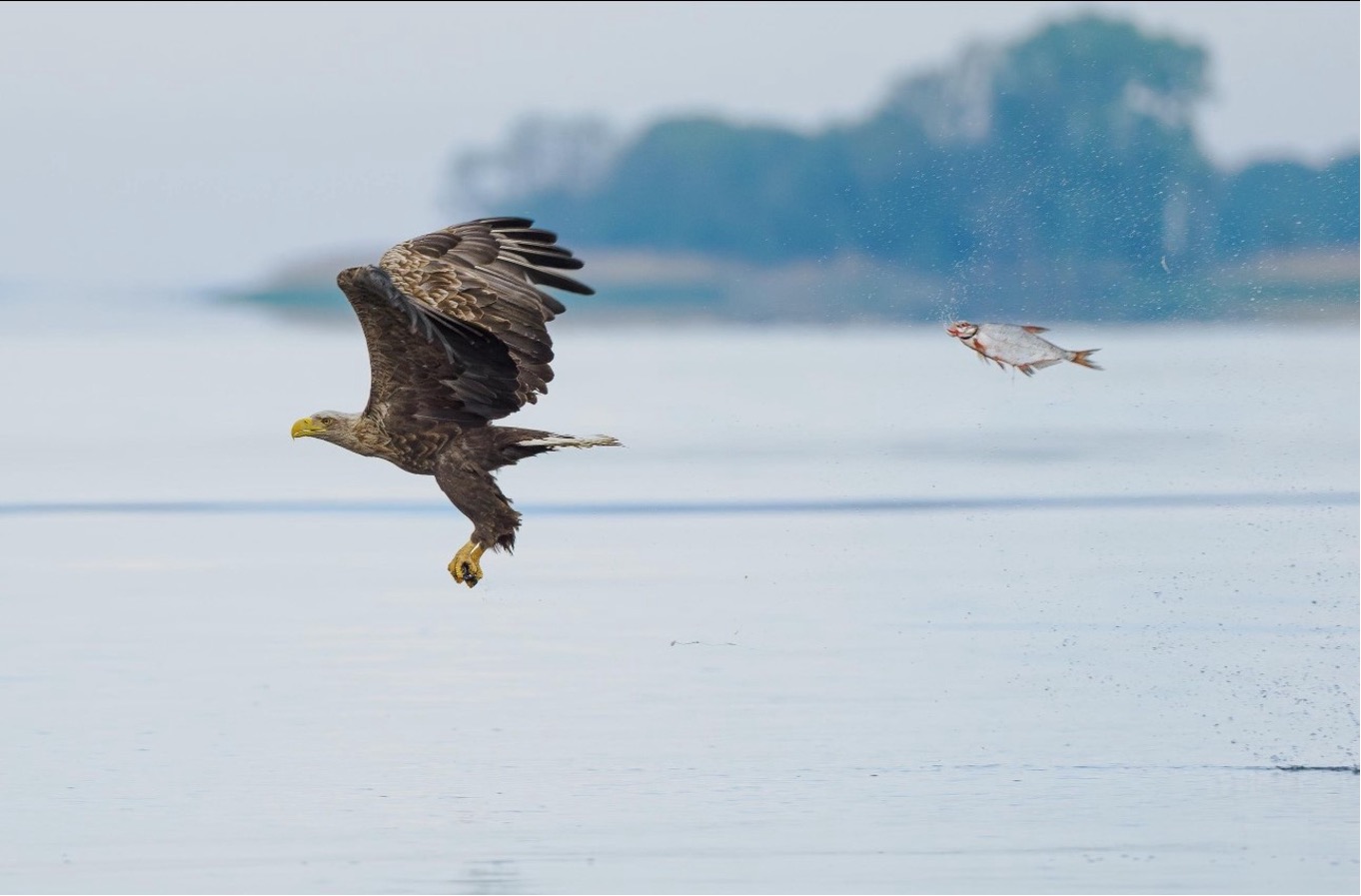
The riddle from our previous edition was guaranteed without recourse to Artificial Intelligence. It reminded us of the beauty of animal life, but what was it? This photo, from Poland, was awarded in the Comedy Wildlife 2024 competition. Apparently, it shows a fish chasing a bald eagle. Unless the latter miraculously escaped the talons of its aggressor 1/10th of a second earlier? Everyone will have their truth; we know neither the fish's version nor the eagle's.
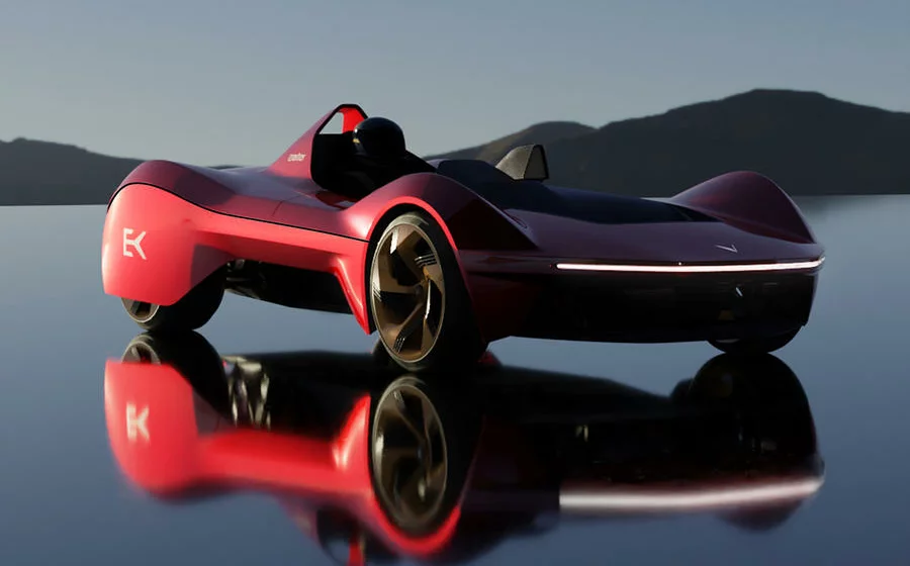
The week's riddle nous ramène à notre premier sujet, c’est l’indice. De quoi s’agit-il ? La réponse « une voiture » est insuffisante. Car elle a une particularité intéressante.
Happy reading and have a great weekend!
[As a reminder, (RE)SET, founded in 2019, is the first independent consulting firm dedicated to economic and environmental transition and built for action. "(RE)SET: resources to win environmental and economic battles!" Inevitably partial, sometimes biased, always committed, this media review with its often spirited, even impertinent tone, in no way commits (RE)SET and even less so Julhiet Sterwen in its consulting activities, but it paints a picture we find interesting of the state of the transition as it appears in the press and research. A snapshot of the debate, of the forces at play, the oppositions, the convergences, which we hope is useful for your decisions and for building your transition strategies.]