Hello,
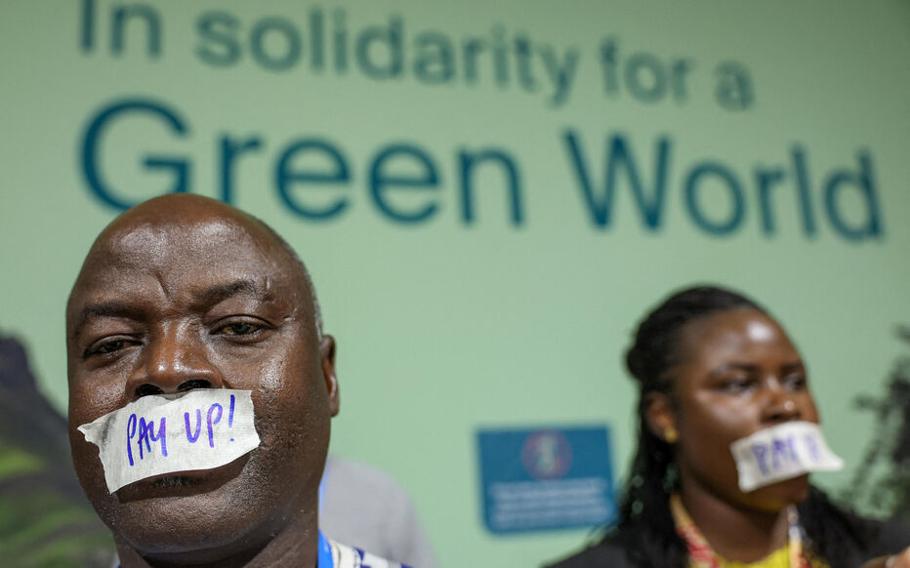
We left off with COP 16, dedicated to biodiversity, with ambivalent results, and now we meet again for COP 29, dedicated to climate, with… ambivalent results! In both cases, negotiations stumbled particularly on a key issue that is currently found in most subjects related to the environmental and economic transition : financing, money, cash, dough. In short, the sinews of war! And as often, this COP 29, depending on the angle you take, can be read in various ways. One can thus rejoice with UN Climatein a "tripling of financing to developing countries." Or deplore, with Libération, that we are "far from the 1,000 billion hoped for." As a reminder, developed countries had committed to financing "100 billion" dollars per year for climate-friendly projects in poor countries (to simplify). And they achieved it once, in 2022, a few years late. But this figure, calculated unscientifically in 2009, corresponds to nothing, and recent studies, notably from the OECD and the United Nations, point rather to a need of 1200 to 2500 billion annually. Under these circumstances, the countries of the "Global South," as they say, had hoped in Baku for a promise of financing on the order of 1000 billion. With the 300 obtained, they are far from satisfied and do not hesitate to say so, with India leading the charge. As The Conversationnotes, Western donors are not willing to foot a higher bill alone, while China and other emerging countries point out that they are not mentioned in Annex 2 of the 1992 Convention listing the historical perpetrators of global warming.
These figures seem high in absolute value, but it should not be forgotten, Le Mondereminds us, that North-South climate financing declared by developed countries currently represents about 0.2% of their GDP. By comparison, the post-Covid-19 recovery and rescue plans (spread over several years) announced in 2020 by Northern countries amounted to 23% of their GDP. Military spending, for its part, in 2024, reaches nearly 1,500 billion dollars for NATO countries alone, or 2.7% of their GDP.
It must be said that this COP was off to a bad start. Organized in Azerbaijan, an "authoritarian" oil country (to put it politely), snubbed by French leaders due to human rights violations and reprehensible activities by Baku in New Caledonia and the French West Indies, boycotted by some small countries believing they would get nothing for themselves, denounced by NGOs counting over 1,700 fossil fuel lobbyists on site, inaugurated by Azerbaijanis praising the "gift of God" of oil, it had little to please. So it didn't amount to much, except to remove from the texts the reference to the 1.5 degrees dear to the Paris Agreement and to "forget" to mention the objective of phasing out fossil fuels! That is what can happen when you put the fox in charge of the henhouse, to use the image from Libération.
A step forward must nevertheless be noted: the agreement reached, after nine years of negotiations, concerning the carbon market. According to the agreement adopted in Baku, the new carbon market will be supervised by the UN, and private actors must demonstrate that their activities contribute to sustainable development goals. They must also identify and address any potential negative environmental and social impacts of their projects. However, some scientists question the limits of the mechanism. Kevin Anderson, a British researcher, raises for example in The Guardian the problem of the time lag between emissions and the effects of offsetting. "As soon as you fly a plane, you release carbon dioxide into the atmosphere. This CO2 will continue to warm the planet while the trees meant to offset these emissions may take a century to grow." Paying Global South countries to preserve their forests so that we don't have to decarbonize at home, is that such a good idea, he asks?
From the 1992 Rio Summit to the 2024 COP29, the lingering waltz of COPs can seem despairing: the progress made is far, we know, from having responded to the emergencies of the situation. But as several observers point out, where would we be in a world without COPs? Even less far along...
Climate still, the weather of the week reminds us that COPs must indeed intensify their efforts: 2024 will be by far the hottest year ever recorded in human history, according to the European Copernicusprogram. In this case, a graph is worth more than a long speech:
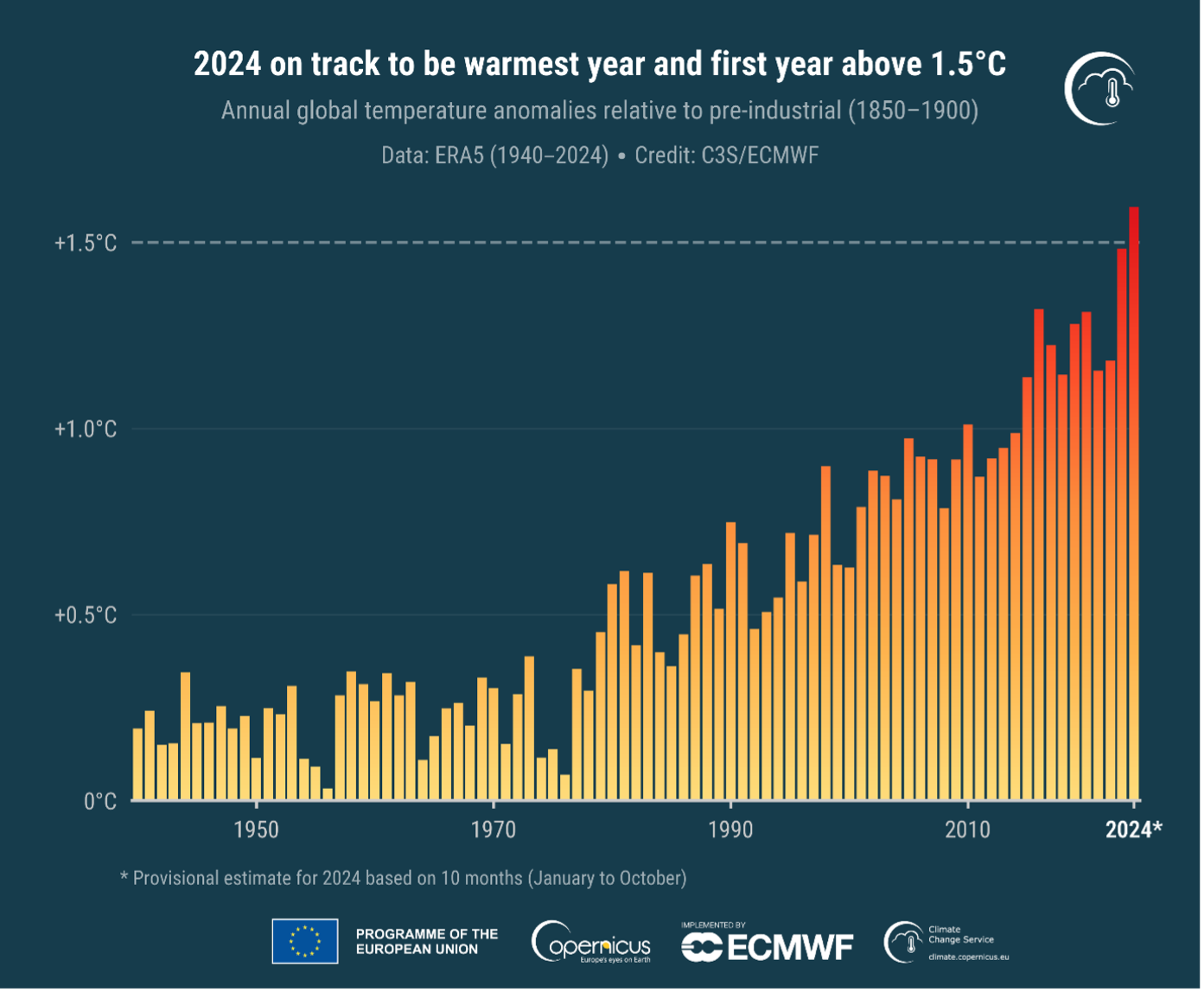
So there you have it, 2024 will remain the first year when the global average temperature exceeded the pre-industrial average by more than 1.5 degrees (the limit set by the Paris Agreement). Let us bet it will not be the last… But well, as Donald Trump would say, "It's not global warming, because at certain times, the temperature starts to drop a little." Who will volunteer to send him the 28 reports from the Copernicus program? As a reminder, current policies would lead to a "catastrophic" warming of 3.1°C over the century, according to the United Nations Environment Programme (UNEP). And even if all promises to do better were kept – which they will not be – the global average temperature would still rise by 2.6°C. As a reminder as well, the French national adaptation plan is based on a temperature of +4 degrees, which says a lot about our confidence in the efforts made…
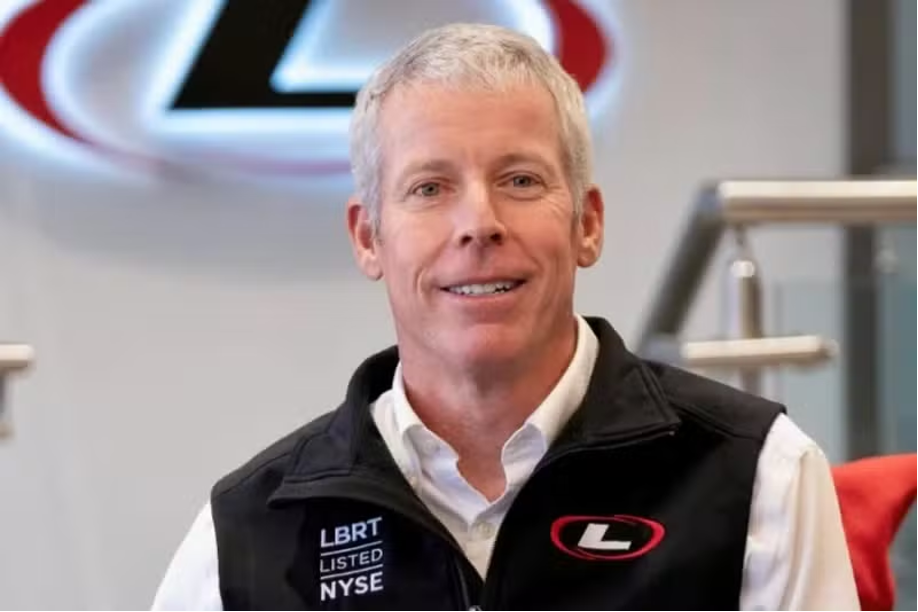
The appointment of the week is not very encouraging, though hardly surprising, Le Mondetells us. The wave of appointments initiated by Donald Trump for his future administration continues – he will enter the White House on January 20. The Republican president-elect announced, on Saturday, November 16, his intention to appoint Chris Wright, CEO of the hydraulic fracturing company Liberty Energy, to the post of Secretary of Energy, with a roadmap to deregulate the sector. "As Secretary of Energy, Chris [Wright] will be a key leader, driving innovation, reducing bureaucratic barriers, and ushering in a new 'Golden Age of American Prosperity and Global Peace,'" Donald Trump said in a statement. A climate skeptic, Chris Wright stated in a post on his LinkedIn account a year ago that "there is no climate crisis and we are not in the midst of an energy transition either." "The term carbon pollution is outrageous," because all life depends on carbon dioxide, he added, also refusing the labels "clean energy or dirty energy, all energy sources having both positive and negative impacts." Promising.
The report of the week on resource depletion concerns metals. According to the annual « Transition Metals Outlook »report by the research firm BloombergNEF, "the supply of key metals for the energy transition, such as aluminum, copper, and lithium, could face shortages this decade, some as early as this year." $2.1 trillion would need to be invested in the mining industry to meet metal needs by 2050, the research firm continues. For its part, the International Energy Agency warned in May, in its latest report on critical metals, about the risks of shortages by 2030, estimating that current and developing projects will only cover 70% of copper needs and 50% of lithium needs. As they say in the mining sector, "no metals, no transition." A slogan that resonates strongly with (RE)SET! What is certain is that the risks of shortage will make the issue of recycling these metals more strategic than ever. Even though groups like Stellantis or Eramet in France recently announced the cessation or suspension of their electric battery recycling projects due to a lack of a profitable economic model for now, Le Monde.
Theobservatory of the week concerns our friends (without them, no press review!) the media. The Media Observatory on Ecology (OME) has therefore been launched, Le Monde tells us, and a website has been put online so that the general public can track the evolution of media coverage of environmental crises with quantified data – as a percentage of airtime – and qualified data, i.e., categorized into causes, consequences, or solutions. This observatory aims to measure how eleven television channels and nine French radio stations report on climate or environment-related crises. The most-watched generalist channels (TF1, France 2, France 3, M6, Arte, and C8), as well as continuous news channels (CNews, BFM-TV, LCI, Franceinfo, France 24), will be analyzed by the consortium. For radio, generalist stations with national reach (RTL, Europe 1, RMC, and Sud Radio) and generalist public service radio stations (France Inter, Franceinfo, France Culture, and RFI) were chosen to be put to the test. This is a way of responding to the frequent accusation that too little space is given to environmental issues in the French media agenda. This initiative was a winner, in 2023, of a call for projects launched by the Agency for Ecological Transition (Ademe), aimed at producing open source projects for the ecological transition. In an initial assessment, it is noted that over the past year, airtime devoted to these issues has decreased by 30% and that "the climate crisis is covered two to four times more than biodiversity and natural resources," Jean Sauvignon, treasurer of QuotaClimat, who participated in the development of the data analysis methodology, tells Le Monde . At (RE)SET, we also often repeat that the transition does not stop at carbon and climate, which are only part of the challenges.
To stay on the same subject, the "well done" of the week goes, for once, to TF1, which broadcast during prime time, in the midst of COP 29, a very well-made 7-minute video on planetary boundaries. Giving a prominent place to graphics and special effects, very educational in its presentation, it can be viewed on YouTube.
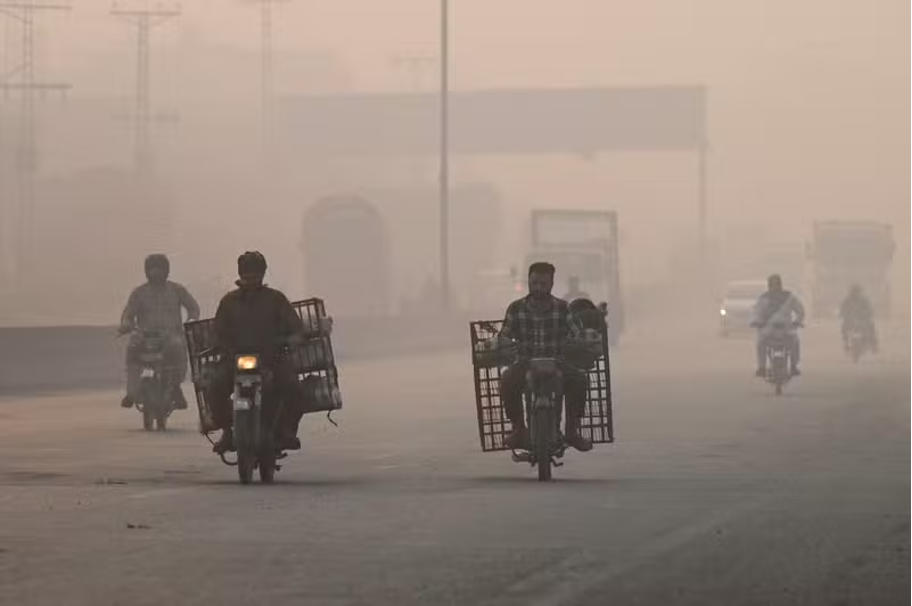
The number of the week is 610! The concentration of PM2.5 pollutants reached 610 micrograms per cubic meter in early November, 40 times the level deemed acceptable by the World Health Organization (WHO), in Lahore, the second city of Pakistan, in Punjab. A historic record described as "criminal," more deadly than the COVID episode, notes Le Figaro. This level [of pollution] is due to the east wind corridor coming from India. Smog is particularly pronounced in winter, when colder, denser air keeps emissions from poor-quality fuels used to power the city's vehicles and factories at ground level. Lahore is the most polluted city in the world, according to the real-time ranking of the Swiss air quality specialist company, IQair.
Pollution still, plastic this time, the Treaty of the week is of course the one negotiated for years to end this pollution! Barely COP29 ended in Baku, environmental diplomacy meets in Busan (South Korea) to tackle another planetary threat. Delegates from 175 countries have gathered since yesterday and have until December 1 for what is supposed to be the fifth and final negotiating session to finalize a global treaty. With one objective: to reach a legally binding international instrument by the end of the year. As in Azerbaijan, the specter of failure hangs over Busan, Le Mondefears. "Even by becoming champions of collection and recycling, we will not solve the plastic pollution problem if we do not reduce virgin plastic production," repeats Agnès Panier-Runacher, who will be represented in Busan by the Minister Delegate for Energy, Olga Givernet. Global plastic production (there are over 4,000 different polymers) has doubled in the last twenty years and is expected to exceed 500 million tons for the current year: enough to wrap France in plastic wrap 50 times over. According to forecasts from the Organization for Economic Co-operation and Development, this exponential production should reach one billion tons before 2050, if nothing is done. It is accompanied by a comparable explosion in waste: it is expected to almost double between 2020 and 2040, exceeding 600 million tons. A very small portion is recycled (less than 10%), nearly half is buried in landfills, and 19% is incinerated. The rest (22%) ends up in the environment and notably in the oceans.
Everyone is aware of the stakes, but things are not looking good in Busan: the draft text (zero draft) has swelled into a mixed bag of 87 pages, with contradictory options and sub-options, and 7,400 bracketed entries. "If we only keep what is not in brackets, that is, what is consensual, we end up with a page and a half; it's terrifying," comments Henri Bourgeois-Costa, Director of Public Affairs at the Tara Ocean Foundation, which has been documenting plastic pollution through its scientific expeditions since 2010. Agnès Panier-Runacher agrees: this text does not constitute "a good basis for negotiations" and portends "difficult discussions" and an "uncertain agreement."
The other number of the week (!) is 15. As in 15% of global GDP that will disappear by 2050 due to the climate crisis. This is one of the conclusions of the recently updated version of the climate change, related economic risk assessment scenarios published by the NGFS, the network of global central banks dedicated to greening the financial system (no dangerous activists, therefore...). An assessment three times higher than in the past, following a better consideration of chronic risks associated with climate disruption, Novethicspecifies. Thereby giving an idea of the price of inaction, a concept we never forget at (RE)SET.
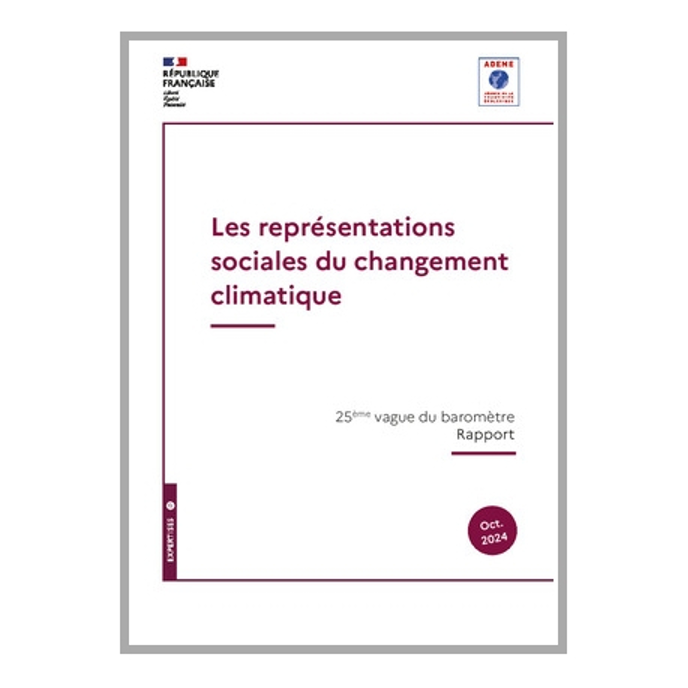
The poll of the week comes to us from ADEME. On the occasion of COP 29, ADEME published the 25th wave of its barometer "The Social Representations of Climate Change among the French." First presented in 2000, this barometer is an essential tool for understanding public opinion on the ecological transition and expected actions. This new edition reveals particularly strong support among the French for more measures aimed at limiting the consequences of climate change. However, ADEME observes a slight demobilization at the individual level this year and an increase in climate skepticism. On one hand, regulatory measures are highly popular: "Ban advertising for products with a high environmental impact," deemed desirable by 84% of French (+4 points vs 2023), "Require owners to renovate and insulate homes," by 72% (+3 pts), "Limit the circulation of the most polluting vehicles in large urban areas," by 72% (+6 pts), or "Require public catering to offer a vegetarian, organic, and/or seasonal menu option," for 68% of them (+5 pts). At the same time, the proposal to tax vehicles with the highest GHG emissions more heavily gained 7 points compared to 2023 (63% of French in favor); the increase in prices for products with a high environmental impact also gained 7 points, reaching 60% favorable opinions. But conversely, regarding their own individual efforts and their current concerns, ADEME observes a demobilization rather. "This gradual rise in a movement of denial or refusal of climate phenomena, particularly the impact of human activity, could be explained by the fact that they were previously assumed to be distant (…) whereas the disorders and their consequences are now part of the daily lives of the French and are becoming a kind of normality (…) It is as if there were a kind of shock at the scale of climate disorders, causing us to forget the real cause. But it should be remembered that the vast majority are convinced of climate change and its anthropogenic causes," specifies Anaïs Rocci, a sociologist at ADEME.
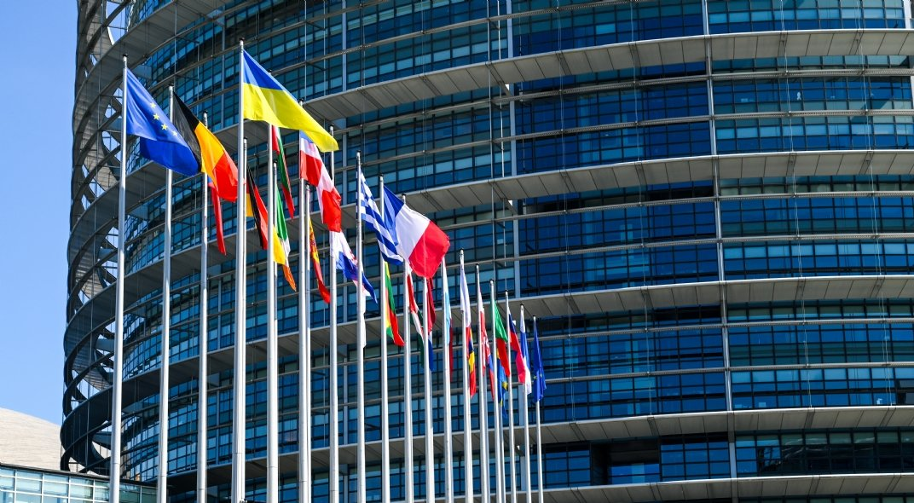
The unraveling of the week – a new section we fear will take up more and more space – is to be deplored on the side of Brussels and Strasbourg, with the partial questioning of one of the flagship texts of the European Green Deal, Novethicreveals. The European Parliament approved on Thursday, November 14, the one-year postponement of the anti-deforestation regulation. This unprecedented text at the global level, adopted in 2023, aims to end the marketing on the European continent of products from deforestation such as cocoa, coffee, soy, palm oil, wood, beef, or rubber. It was to come into force on December 30, 2024. But it was increasingly criticized by part of the business world and by certain countries in South America and Asia. Under pressure, the European Commission therefore proposed postponing the application of the text by one year to give everyone time to prepare. But the EPP, the majority conservative party in the chamber, took the opportunity to try to further weaken the scope of the text. And partly succeeded by passing amendments to create a new category of countries designated as "no risk," in addition to the three existing categories of "low," "standard," and "high" risk. In the crosshairs of the elected officials: European countries, some of which discovered late that they would also be concerned by the regulation. But more broadly, 136 countries would fall into this category due to the very low criteria. To get out of this situation, one possibility would be for the European Commission to withdraw its proposal for postponement. Ursula von der Leyen had indeed committed to doing so if changes beyond a simple postponement were made. Which is the case. "When the postponement was announced, there was a fear of opening Pandora's box; that's exactly what is happening," estimates Pascal Canfin.
The other unraveling of the week – we warned you, this section is threatened with inflation – concerns the CSRD, CS3D (duty of vigilance), and even the green taxonomy on finance, other major texts of the Green Deal. The European Commission is considering proposing so-called "omnibus" legislation to renegotiate certain specific points, but experts worry, Novethicexplains, that this renegotiation might open a breach and lead to a deep weakening of these texts. During a press conference in early November, European Commission President Ursula von der Leyen stated that she would soon propose omnibus legislation to "reduce bureaucracy and reduce reporting burdens." In Germany, where CSRD has still not been transposed, several representatives of the liberal right are thus calling for the text to be rewritten at the European level to reduce obligations. Same tune for the European duty of vigilance, which is to come into force in 2027, criticized by private sector lobbies throughout Europe. In France, Economy Minister Antoine Armand mentioned a few days ago raising the thresholds for the companies concerned, as well as reducing regulatory obligations for SMEs in particular. Medef is also calling for a revision of the thresholds defined by the European Commission for companies subject to CSRD. "The idea put forward in the mission letters of the European Commissioners is to recreate a 'midcaps' category, for unlisted companies between 250 and 750 employees, for example, for which reduced reporting standards would apply," explains Abrial Gilbert-d'Halluin, former CSRD sherpa, and advisor to an EPP member of the European Parliament. Depending on the thresholds chosen, it could therefore be potentially tens of thousands of European companies that would no longer be subject to the standards of large companies, but to those of listed SMEs, which are less ambitious.
To find out how far the dismantling of the Green Deal might go, we will have to wait for the appointment of rapporteurs on the various texts and see which political forces are at work. Meanwhile, it's turmoil within the European institutions, because the Green Deal that occupied the previous legislature for 5 years could be profoundly undermined in just a few months.
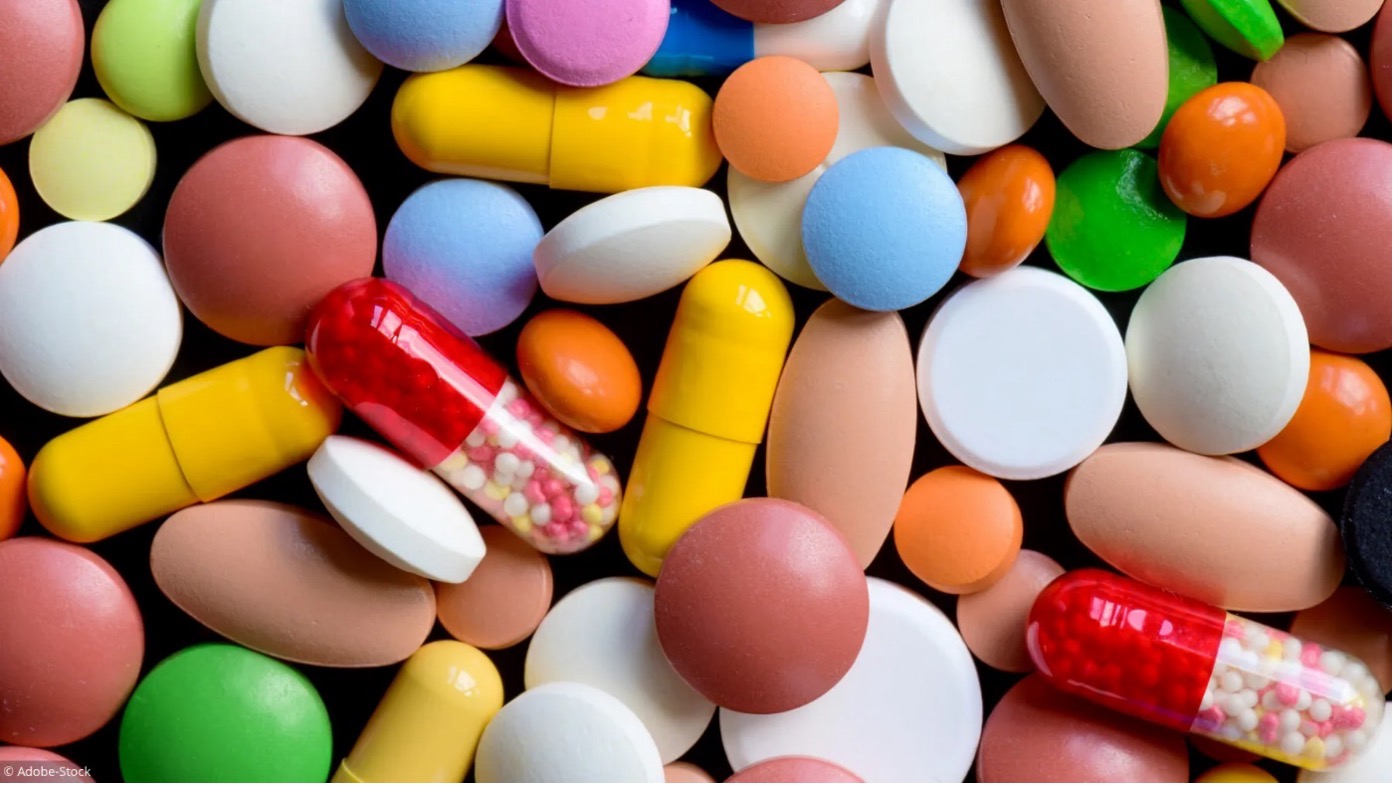
The "we're making progress" (slowly) of the week concerns the pharmaceutical sector. In 2022, the professional union Les Entreprises du Médicament (LEEM) estimated that the sector of medicines produced and/or consumed in France was responsible for about 26 million tons of CO2, or a little more than 6% of the country's net greenhouse gas (GHG) emissions, Les Echosexplains. LEEM therefore launched a decarbonization plan for the sector in July 2023, with two main objectives: "To be in line with the Paris Agreement , we are aiming for a 50% reduction in emissions directly linked to product manufacturing, and a 25% reduction in indirect emissions, such as procurement, transport, or use," explains Paul Mirland, industrial transformation manager for the union. More than a year after the publication of this roadmap, the first actions in favor of a greener pharmaceutical industry are taking shape: in October 2023, LEEM signed a sectoral agreement, committing its 280 members to carry out an initial carbon assessment, with an online platform, CarbonEM, which allows them to calculate their carbon footprint and manage their reduction trajectory. This tool is now used by 86 companies. More practically, the professional union has carried out a technical study on the decarbonization of medicine production sites. For its part, Sanofi announces that it has reduced its total GHG emissions by 11% between 2019 and 2023. Furthermore, since the summer of 2024, 85% of the pharmaceutical giant's electricity comes from renewable sources. Also, AstraZeneca, in Dunkirk, has initiated a program to replace the propellant gas in its inhalers with a less environmentally harmful gas. Additionally, the French subsidiary of Novo Nordisk in Chartres (Eure-et-Loir) has been experimenting since 2022 with the recovery and recycling of insulin injection pens. In the coming months, Les Echoswarns, France could take a new step in the decarbonization of the pharmaceutical industry with the introduction of an Eco-score for medicines.
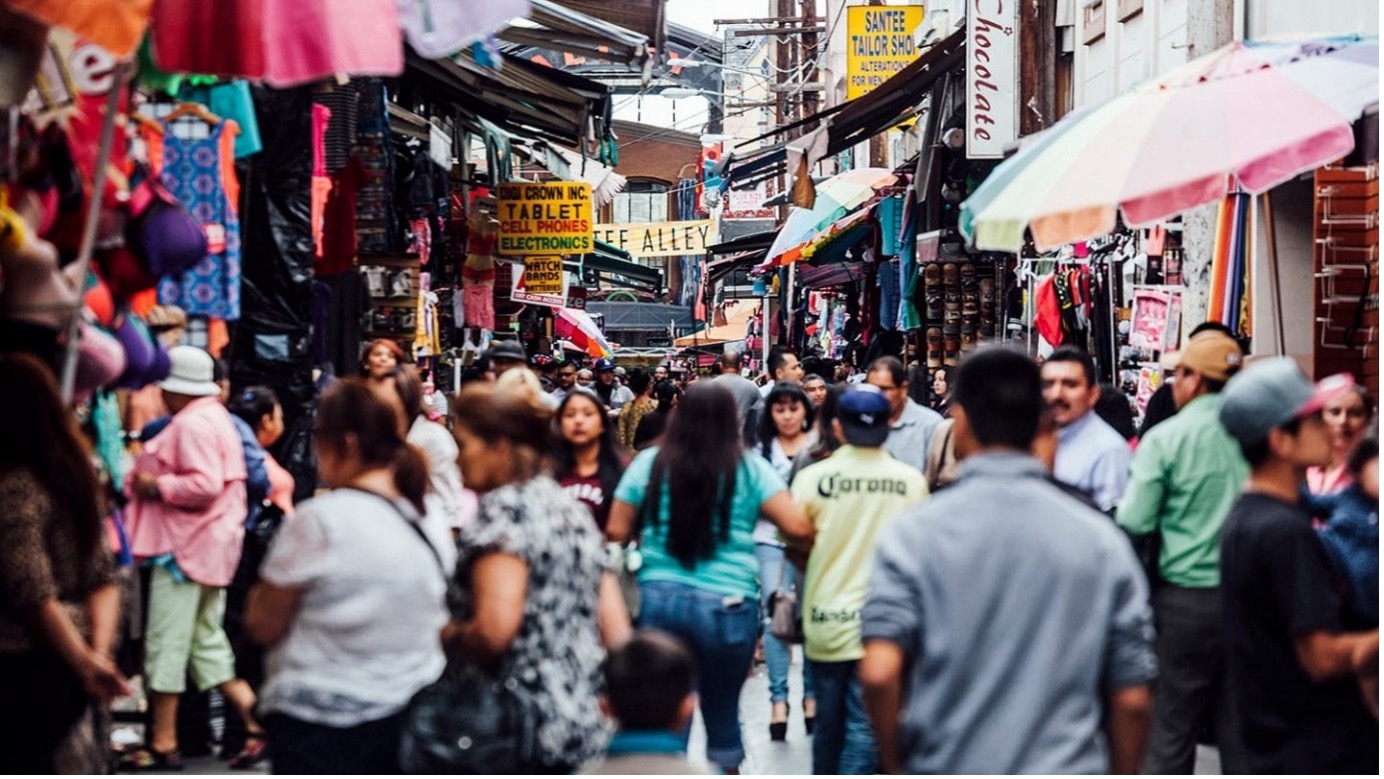
Another illustration of "we're making progress (slowly)", a piece of good news comes from the United States, at least from its West Coast – which is also Democratic! Fashion network explains that the California parliament has just ratified the "Responsible Textile Recovery Act," which will require clothing brands selling locally to finance the collection, transport, sorting, repair, and recycling of end-of-life products. A kind of Extended Producer Responsibility (EPR) well known in France, Refashion can attest, but new to the United States. The text voted by the legislature gives until July 1, 2028, for the creation of a Producer Responsibility Organization (called a "PRO"), which should present a comprehensive plan to manage the end-of-life of textile products in the most populous US state. A plan that will subsequently need to be reviewed every five years. From July 2030 onwards, brands and manufacturers that do not participate in financing the PRO, via a "Textile Product Valorization Fund," would be liable to criminal penalties. These would be capped at $10,000 per day, and $50,000 for a knowing or willful violation of the established framework. The California market for clothing and accessories is expected to exceed $43.8 billion this year. Los Angeles is the US capital of textiles and apparel, generating no less than 45,000 jobs in the sector.
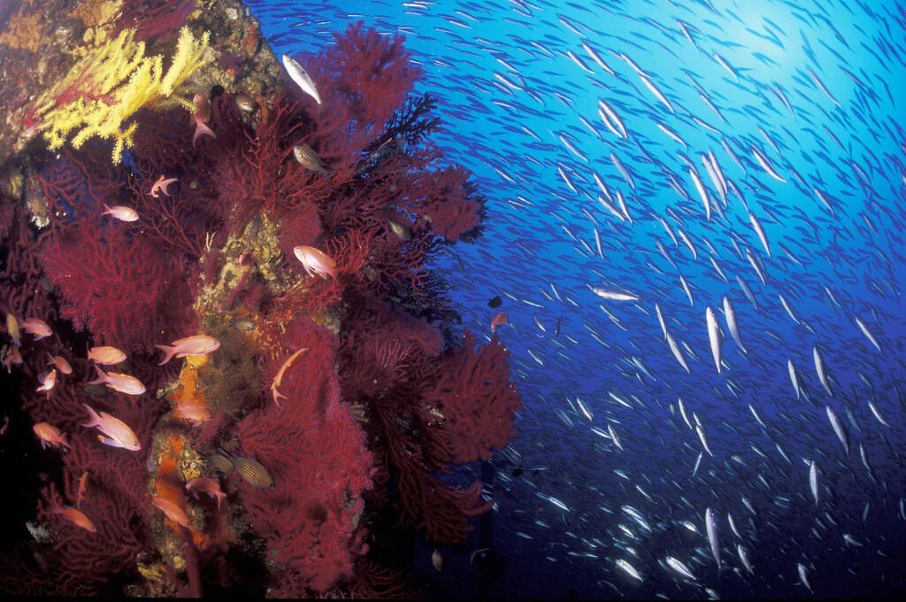
In our "let's stay optimistic" series, the good surprise of the week is found under the waves, around Port-Cros. Libération put on its mask to dive near the Var island where, sixty years after the creation of a protected area, fish are larger and more numerous than elsewhere. A biodiversity corridor that could foreshadow the Mediterranean of tomorrow. Which goes to show that creating protected areas can work very well. A very vivid report that brings a smile back: "Two meters deep beneath our feet. Posidonia undulates with the wave effect. The seagrass bed is not only a green lung and a carbon dioxide sink, it is also a fish nursery. Who knows how many juveniles have hatched in its long green shafts? How many grow up sheltered from turbulence and prying eyes? Here comes the school of salema. They swim with the blacktail combers, with their 'swallow-shaped tails' . They cross paths with the salema, these 'sea cows' . Vincent Bardinal removes his snorkel to make introductions. The guard of the Port-Cros National Park stretches his hand to the right: a gilt-head bream bobs. 'It's three times bigger than what you'd find at the fishmonger's,' he compares in his wetsuit.'Biodiversity isn't necessarily the number of fish. It's also size and diversity.'"
Our "Maxime Blondeau of the week" section is also encouraging. Picking up on a fascinating report broadcast on France Inter, the cosmographer (as he presents himself) is interested in South Korea, the "world champion of biowaste recycling." This country went from a recycling rate of 2% to 95% of its biowaste in record time (25 years). An example for the entire planet! By "biowaste," we mean all biodegradable products, especially food waste, that can be naturally broken down by living microorganisms. This represents about 30% of French people's trash. According to Zero Waste Europe, only a third of the total biowaste in the EU is collected, meaning that 40 million tons of potential nutrients for soils have been lost. Sorting of food waste has just become widespread in France, on December 31, 2023. "We are shifting into second gear," he writes ironically on LinkedIn. Conversely, the journey of South Koreans is impressive. In 1995, only 2% of food waste was recycled. Ten years later, landfilling of biowaste was first banned. Then in 2013, recycling and composting of food waste became mandatory, with the distribution of special biodegradable bags in all households. And in 2020, South Korea achieved a 95% food waste recycling rate. Among the tools used for this success: citizen financing, proportional to food waste generated (for a family of four, up to 6 euros/month); the development of public plants where food waste is dried and transformed into animal feed, compost, or biogas; a specific biowaste collection fleet (special trucks deployed by municipal services); 6,000 automated trash bins equipped with scales and radio-frequency identification (RFID) that weigh food waste upon deposit and charge residents; urban farms to close the loop. These farms use compost and grow food locally. In the capital Seoul, the equivalent of 238 football fields are now urban farms!

The "name and shame" of the week – yet another new section, Breaking (RE)NEWS stops at nothing! – is won hands down, or forefinger up, by the Yuka app, whose "activist bet" is deciphered by Les Echos. Call out a brand with one click. Yuka and its 37 million users in France and the United States now offers the ability to call out a brand with one click! An extremely clear objective for the nutritional quality rating app: publicly point the finger at brands whose products contain one of the 55 most common additives categorized as "at risk" (color-coded red on the app). These include, among others, nitrite and nitrate salts (E249, E250, E251, and E252), mono/diglycerides of fatty acids (E471), aspartame, and certain food colorings. Concretely, when a user scans such a product while shopping, they can, from their app, send a pre-written email to the manufacturer's customer service and/or, optionally, publish a tweet to publicly call it out. All accompanied by a denunciatory and punchy hashtag: "Balance ton additif" (roughly "Call out your additive"). In total, this feature targets at least 15,000 food products out of the 3 million currently listed in France in the app. For France, 1,200 brands are in the crosshairs. "This is the biggest 'thing' we've launched since the creation of the app in 2017," rejoices the co-founder, acknowledging a "legally risky" bet and a "very activist" project. In the eyes of the boss, the system is nevertheless consistent with the two initial ambitions of her company: "consume better" and "put pressure on manufacturers."

The riddle from our previous edition was related to the American elections. So who had posted on X (ex-Twitter) this "Star Wars-ified" little squirrel and why…? It was accompanied by a quote from Obi-Wan Kenobi: "If you strike me down, I will become more powerful than you can possibly imagine." The link to our topics was tenuous, we admitted. Because it was a post from Elon Musk, the world's richest man again, subsequently appointed head of the "Department of Government Efficiency." He was thus defending a "democratic" squirrel promised, at the end of a long and beautiful life, to euthanasia. Undoubtedly Elon Musk's way of defending biodiversity?!

The week's riddle is certainly poetic but above all related to our topics. Where does this bench come from and what message does it convey? And no, nothing to do with Brassens and his lovers on park benches.

Happy reading and have a good Wednesday!
[As a reminder, (RE)SET, founded in 2019, is the first independent consulting firm dedicated to economic and environmental transition and built for action. "(RE)SET: resources to win environmental and economic battles!" Inevitably partial, sometimes biased, always committed, this media review with its often spirited, even impertinent tone, in no way commits (RE)SET and even less so Julhiet Sterwen in its consulting activities, but it paints a picture we find interesting of the state of the transition as it appears in the press and research. A snapshot of the debate, of the forces at play, the oppositions, the convergences, which we hope is useful for your decisions and for building your transition strategies.]