Hello,
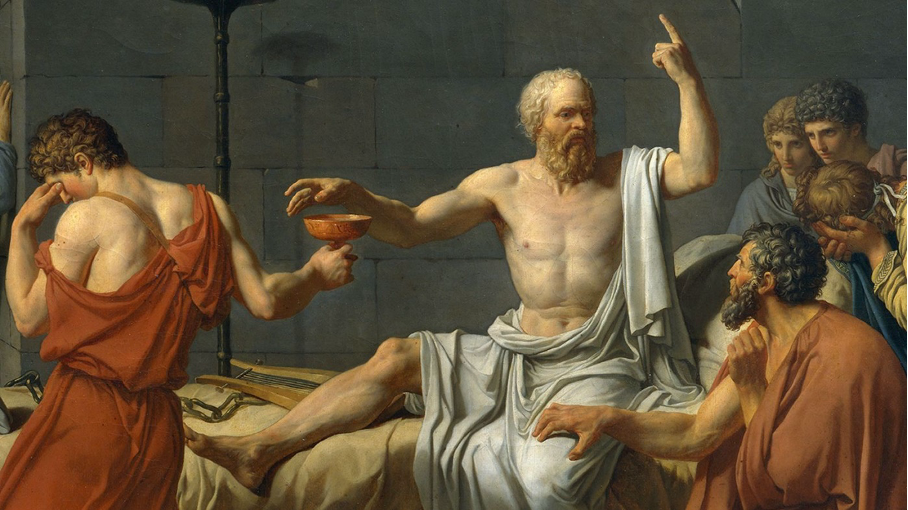
"Ni-Ni or not Ni-Ni?" That is the existential question filling media columns since our last Breaking (RE)NEWS, and it comes as no surprise. And at (RE)SET, we have the answer! At least the one concerning the economic and environmental transition. To borrow the words of Géraldine Poivert, which she shared on LinkedIn, " We will have consumed more rare earths in 50 years than since the dawn of humanity; 50% of global GDP is linked to natural resources that we never monetize (…) Beyond political vicissitudes, the challenges of the economic and environmental transition apply to everyone. Neither the transition nor the resource revolution are partisan. While the ways and means may vary, it will always be a matter of doing more (or better) with less. Just a reminder before Sunday's vote". To settle the "Ni-Ni" question and fuel dinner conversations, we can also refer to a thought from Socrates, who already said 26 centuries ago: " I am nor Athenian nor Greek, but a citizen of the world ". For a reflection dating back 2,600 years, it seems very modern!
We'd like to talk about something other than politics, but it's difficult these days, as it permeates all topics, including ours. So at the risk of overdose, we simply note two articles recently published in Le Monde. The first is an opinion piece signed by Christophe Cassou, climatologist and co-author of the latest report from the Intergovernmental Panel on Climate Change (IPCC), which denounces " the 'comforting' stance of the National Rally on climate matters ", and continues: " Support for fossil fuels through tax breaks, promotion of combustion engine cars, opposition to renewable energies accompanied by an unrealistic nuclear relaunch policy, weakening of regulations aimed at preserving soil and water quality, etc., will cause greenhouse gas emissions to explode and lock us into worlds of food, health, energy, and economic insecurity." In the same vein, the lead editorial of Le Monde dated June 28 explains that "the RN promises the French an ecology without constraints, by giving up on fighting energy-inefficient homes, letting them continue to drive diesel, while condemning the principles of responsible agriculture. The country would find itself encapsulated in a glorified past, where it would be possible to keep our lifestyles, our landscapes, our production and travel methods. This pattern amounts to denying obstacles." It concludes: "The RN's proposals are nothing but an anti-ecological platform, which would lead to a dramatic regression in this area and would irredeemably remove France from the trajectory of the Paris Agreement on reducing greenhouse gas emissions."
To temporarily conclude this political chapter, everyone will have noticed that during their successive appearances on BFM TV on Wednesday evening, Gabriel Attal (Renaissance), Marine Tondelier (EELV-Nouveau Front Populaire), and Jordan Bardella (RN) did not deem it appropriate, in one hour, to raise topics related to the environmental transition…
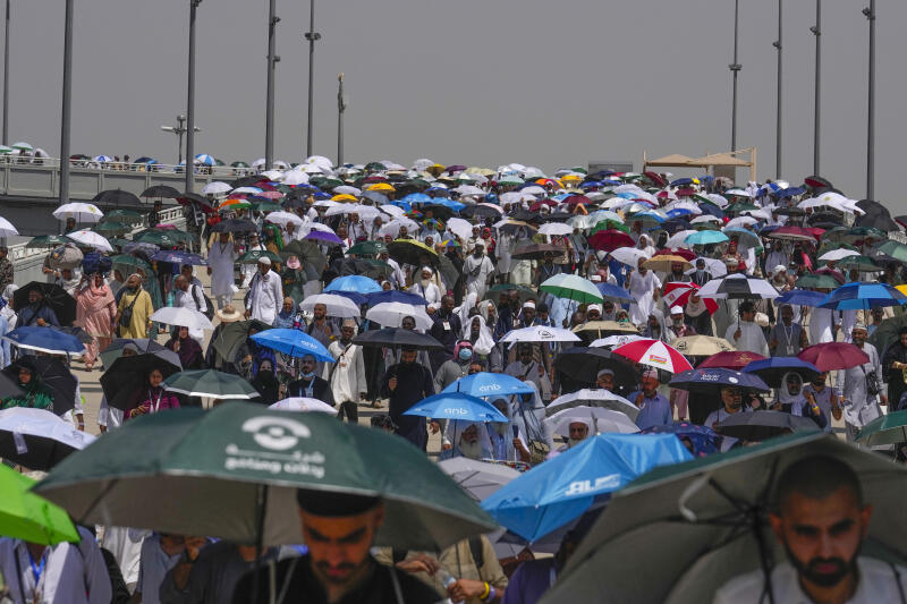
Our weekly sections begins, as often, with some meteorological considerations. And a frightening number: 1,301 deaths during the annual pilgrimage to Mecca. Saudi Arabia has finally announced this official number of victims who succumbed to scorching temperatures while performing the Hajj. According to authorities, 1.8 million pilgrims participated in this year's pilgrimage, most coming from abroad. The rituals once again took place under very high temperatures, reaching 51.8°C at the Grand Mosque in Mecca, the holiest city in Islam, in western Saudi Arabia. Each year, tens of thousands of faithful attempt to participate in the Hajj without the necessary permits, which are paid for and granted according to quotas, and which provide access among other things to air-conditioned facilities. Mecca has already warmed by nearly 2°C, much more than the global average. Climate change is likely to expose pilgrims to "extreme danger" in the future, when the pilgrimage falls again during the hottest summer months, as early as 2019 warned a study published by American researchers in Geophysical Review Letters and quoted by Le Monde.
Climate still, the "Mission" of the week is named "2025," and it brings together multinationals, investors, mayors, and governors who call on states to continue climate action, despite the "prevailing climate." They wish to remind governments that trajectories aligned with a 1.5°C scenario, with concrete sector-by-sector targets, are both essential and possible for achieving the transition. The aim is to push states around the world to keep their promise and present more ambitious climate commitments (known as NDCs, Nationally Determined Contributions) by February 2025, for the period up to 2035, in line with what the Paris Agreement provides. " We know this can unlock thousands of billions in private investment to protect our nature, develop cheap renewable energy, help industries be competitive in a low-carbon economy, and guarantee equitable living standards for our population ", they write, quoted by Novethic. " The launch today of Mission 2025 is a clear refutation of all those who claim it is too difficult, too unpopular, or too costly to act faster on the climate crisis ", said Christiana Figueres, promoter of this initiative. Faced with these defections, the Mission 2025 coalition prefers to brandish the 55 largest global multinationals, with a combined annual revenue of over 4.4 trillion, which have published transition plans aligned with a 1.5°C scenario. Or the 31 trillion, more than two-thirds of the annual revenues of the world's largest companies, now aligned with the net-zero emissions target, a 45% increase in two years, according to data from the Energy & Climate Intelligence Unit, an independent climate think tank.
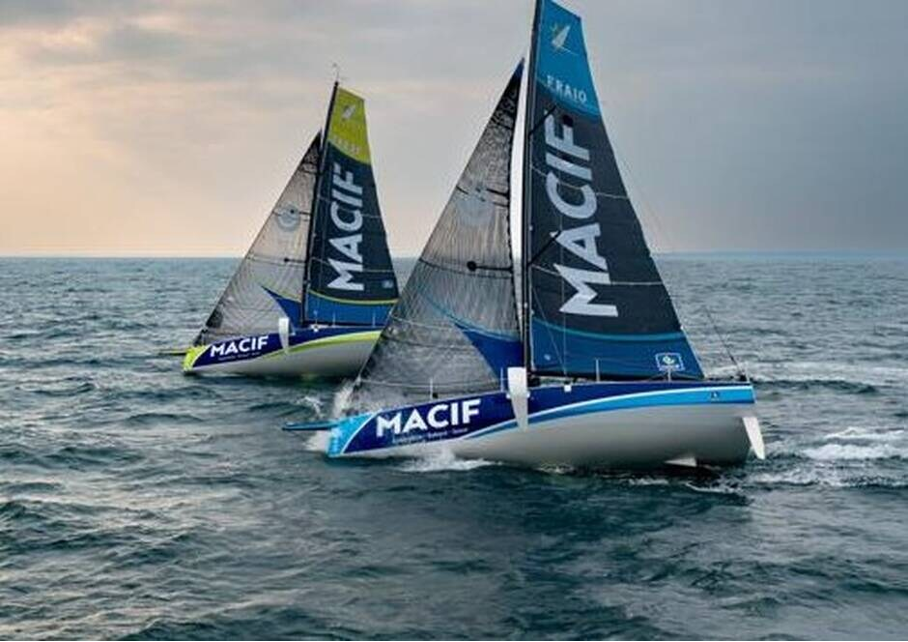
Speaking of better-performing companies, the divestment of the week is good news! Macif has just divested 356.6 million euros from oil companies BP, Repsol, and Shell. In 2023, the mutual insurer reached decisive milestones in the implementation of its decarbonization strategy, reflecting, it says, its commitment to environmental sustainability issues. These efforts are part of the broader strategic plan of Aéma Groupe, aiming for a 50% reduction in the carbon intensity of its investment portfolios by 2030. Macif thus achieved last year " a nearly 20% reduction in the carbon intensity of its financial portfolio compared to the previous year", according to Sabine Castellan-Poquet, Director of Investments, quoted by Media 24. In addition to reducing its carbon footprint, Macif has also strengthened its actions in favor of biodiversity protection. In January 2024, the company implemented a strict policy regarding investment in companies involved in the production of biocides and hazardous chemicals, such as pesticides. This policy aims to combat the factors responsible for ecosystem decline and species extinction.
The call of the week is signed by the Plant Chemistry Association (ACDV), which in L'Usine Nouvelle asks newly elected European officials to put in place a coherent industrial strategy for the bio-based chemistry sectors, pillars of the bioeconomy and biomass transformation. Not without good arguments: these sectors feed a significant part of our industrial fabric and are a virtuous driver for the ecological transition of our economies. The ACDV recalls that:
1/ By substituting fossil materials with resources from biomass, bio-based products make a significant contribution to reducing CO2 emissions and fighting climate change.
2/ 1.5 million tonnes of CO2 (approximately 475,000 tonnes of oil equivalent) are already avoided each year in France thanks to bio-based products from plant chemistry.
3/ The bio-based chemistry sectors provide stable outlets for our farmers and foresters.
4/ The bio-based chemistry industries employ 165,000 people in France.
5/ Companies in the sector are experiencing 6-8% annual growth, which only needs to accelerate, notably thanks to dynamic research.
At (RE)SET, we are also fans of biomass resources. Incidentally, we remind you that it needs biodiversity to thrive and that residues and co-products are also biomass that does not compete with food uses!
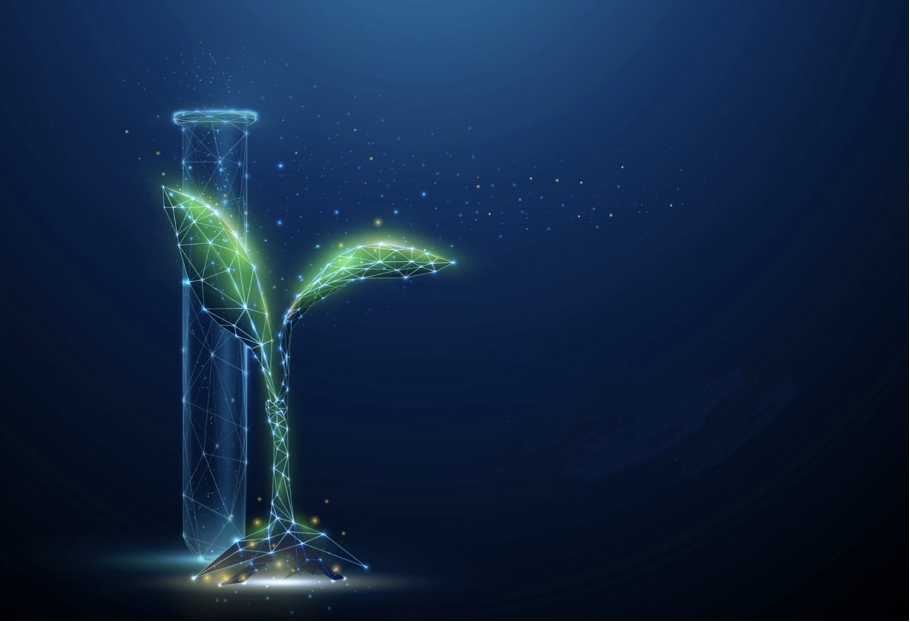
Regarding plants and biodiversity, the indifference of the week is that of humankind, and La Croix asks: "Why does the disappearance of plants leave us indifferent?" Its answers are interesting. We quoted Socrates above; let's continue with Aristotle, who would be the historical culprit for this indifference, as he described plants in his classification of living beings as "an inferior form of life." More prosaically, " as animals, we obviously have more in common with other animals, particularly mammals, in the shape of our bodies, our eyes, our movements than with plants", explains Meredith Root-Bernstein, a CNRS and Museum of Natural History researcher in ethnobiology and ecology, who continues: "For a vast majority of people, plants feel nothing and are as static as rocks, which is a barrier to being interested in them. " Result: " There is more weeping in homes for brown bears than for dwarf birch ", notes Gilbert Cochet, an agrégé in life and earth sciences, author of Rewilding France and Rewilded Europe with Béatrice Kremer-Cochet (Actes Sud). Environmental associations more easily sport an animal on their logo, such as WWF's panda or France Nature Environnement's hedgehog, than a plant. Today, scientists estimate that 15 to 20% of the world's plant species are threatened with extinction. But whereas the disappearance of brown bears, lynxes, or pandas mobilizes public opinion, the decline of flora provokes little emotion from the general public. And yet! Sometimes we forget, but the role of flora is fundamental to life. " The only oxygen we have on this planet comes from photosynthesis", recalls Francis Hallé, botanist and dendrologist, who insists: " Without plants, we simply could no longer breathe. " Moreover, plants allow the entry of the mineral world (carbon, hydrogen, phosphorus, etc.) into the living world. It occupies the most important place because without it our planet would be as sterile as Mars…

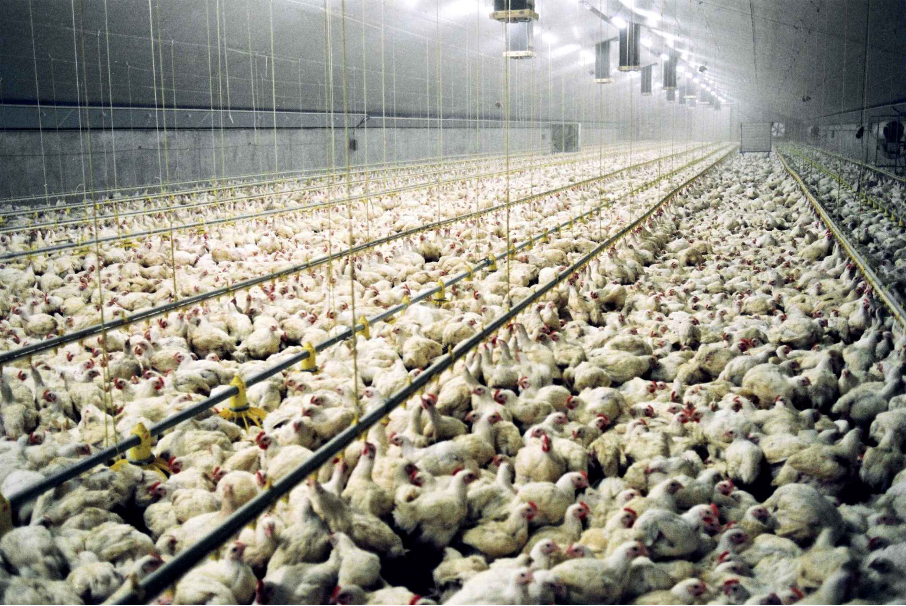
The resource of the week is mineral: niobium. There is strong pressure on electric batteries, and this is only the beginning, as we know. The rare metals needed for their production are… rare. Hence the frantic search for alternative solutions that are less consumptive of limited fossil resources, such as the use of sodium, iron, or sulfur, as Breaking (RE)NEWS regularly notes. Except that niobium is the opposite! It is a rare and little-known metal, of which the only 83,000 tonnes produced in 2023 (used as additives to boost the elasticity of steels and superalloys) were extracted more than 90% from Brazil, according to the US Geological Survey. A bit the opposite of what we are looking for, then. So why focus on a metal that is both rare and expensive? Because "there are plenty of niche applications for which different battery chemistries are needed," explains Jean de la Verpillière, CEO of Echion Technologies, which has just raised 35 million euros to industrialize the production of niobium battery anodes. Indeed, niobium batteries have the advantage of being rechargeable very quickly (ten minutes) and having a lifespan ten times longer than others. They could be useful, for example, for trucks or buses intended to be amortized over several decades.
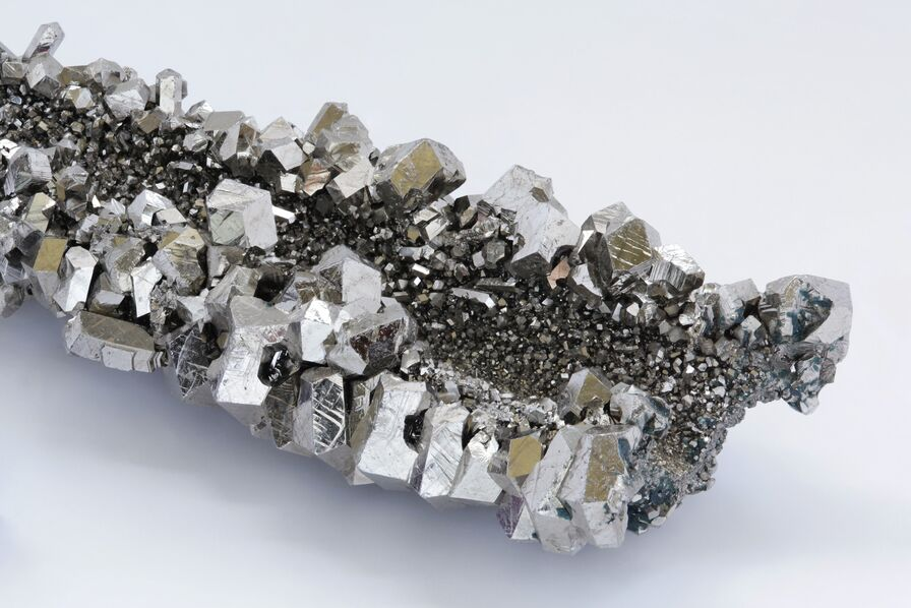
The animal resource of the week is chicken! Between 2022 and 2023, total meat consumption per capita fell by an average of 1.7% in France (–5.8% in twenty years), according to data from the statistical service of the Ministry of Agriculture, published on Thursday, June 27. After two consecutive years of increased consumption in 2021 and 2022, due in particular to post-Covid-19 economic recovery, this decline is largely due to high inflation, especially meat prices (+7.8% for beef in 2023). But we need to examine the data in detail by sector to understand these changes. While beef and pork consumption fell by 3.7% in one year, chicken consumption increased by the same proportion (+3.7%). In twenty years, average chicken consumption has almost doubled, from 12.1 kilograms carcass equivalent (kgec) in 2003 to 23.3 kgec per capita in 2023. Over the same period, beef consumption fell by 19%, from 26.3 to 21.3 kgec. Significantly cheaper, benefiting from a more "healthy" image, chicken is thus gradually replacing beef on the plates of the French. This, too, is not without its problems. While cattle farming is indeed more emissive in terms of greenhouse gases than poultry – representing 11.8% of French emissions alone – it does, when extensively grazed, contribute to the maintenance of grasslands, carbon storage in soils, and the preservation of ecosystems. Conversely, chicken farms, when practiced in high-density buildings, present risks of water pollution, non-compliance with animal welfare, and require feed produced with heavy irrigation, such as maize, or imported, such as soy.
Ah la transition environnementale et économique n’est pas un long fleuve tranquille, et les effets rebonds sont nombreux… on vous le dit souvent
Regarding agriculture, the carbon tax of the week is Danish, and it concerns agriculture, a world first! In a context of strong opposition from European Union (EU) farmers to the climate reforms of their governments (Netherlands, Germany, Romania, etc.) or Brussels, Denmark, a giant in pork and dairy product exports, is about to introduce the world's first carbon tax on agriculture. After five months of difficult negotiations with professional organizations and environmental defense groups, the ruling coalition in Copenhagen announced it had reached an agreement on Monday night, reports Libération. This agreement " will form the basis for a historic reorganization and restructuring of Denmark's land and food production ", stated Economy Minister Stephanie Lose. The Danish Parliament is expected to adopt the agreement after the summer, for implementation in 2030. Concretely, from that date, farmers will have to pay 120 Danish crowns (16 euros) per metric ton of carbon dioxide equivalent emitted. The tax will rise to 300 crowns (40 euros) from 2035. The government will also release 5.3 billion euros to reforest 250,000 hectares of agricultural land by 2045, set aside 140,000 hectares in plains by 2030, and buy back certain farms to reduce nitrogen emissions. Today, agricultural areas cover two-thirds of Denmark's territory. According to calculations by the Financial Times, which extrapolates from figures from the Danish ecological think tank Concito, farmers will have to pay nearly 100 euros per year for the greenhouse gas emissions produced by each of their cows under the first tax rate. The country's pig farmers, a sector less emitting than cattle farming, are also affected by the tax. " We have succeeded – against all expectations – in obtaining a tax model in which the farmer who uses approved and economically sustainable climate solutions can completely avoid the tax ", rejoiced Søren Søndergaard, president of the Danish Council for Agriculture and Food. At (RE)SET, we say with admiration and a touch of jealousy: hats off!
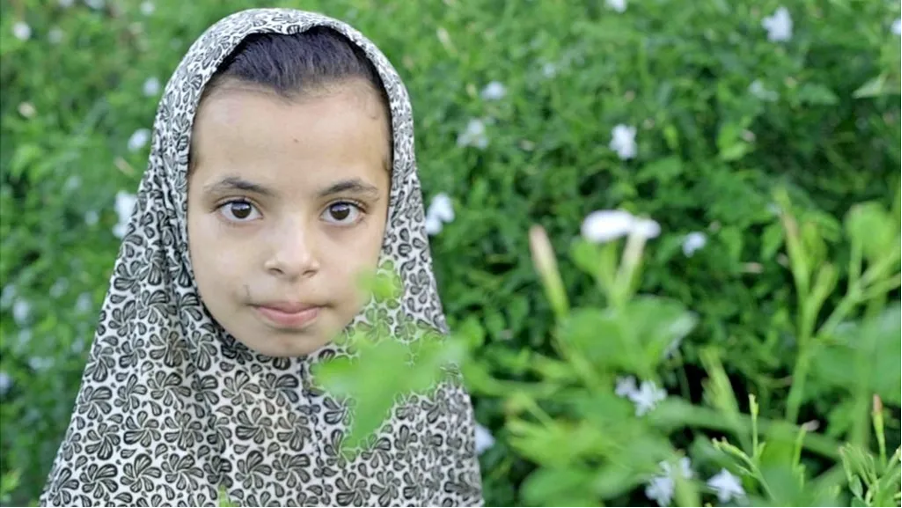
The insufficient vigilance of the week takes us to the luxury perfume industry, caught red-handed by the BBC engaging in child labor in its supply chain. The cause: the harvesting, in Egypt, of jasmine used in many of these perfumes. The BBC investigation, based notably on hidden videos, reveals that the operators of these jasmine fields commonly use children under 11 to pick these fragile flowers, claiming they are forced to do so by the too-low prices imposed on them by the perfumers… Egypt supplies 50% of the world's jasmine for perfumers. In theory, luxury perfume brands have a zero-tolerance policy towards child labor. In practice, however, things are different. Enough to anger the UN Special Rapporteur on contemporary forms of slavery, Tomoya Obokata: "On paper, they [the industry] are promising so many good things, like supply chain transparency and the fight against child labour. (…) They are not actually doing things that they promised to do."
It is possible that many of the targeted brands were not aware of this. This is precisely the point of the Corporate Sustainability Due Diligence Directive (CSDDD), which requires – and will require even more in the future – better identification of suppliers, the entire supply chain, and ensuring that good practices are in place.
To lighten things up a bit, in our swim of the weeksection, that of the Mayor of Paris, already postponed four times and supposed to take place between July 15 and the opening of the Olympic Games, a "surprise" has been announced, reveals Marianne : Anne Hidalgo's swimsuit. As a reminder, the previous postponements were explicitly due to excessive pollution of the Parisian river, and then to the holding of back-to-back elections. So we still do not know whether the Olympic "open water" events will be able to take place in the Seine or… elsewhere. But the Mayor of Paris has confirmed: she has already chosen her swimsuit, and it will be, therefore… "a surprise." Small note: the photo below apparently comes from the fertile virtual neurons of an AI.

The riddle from our previous edition was a slightly blurred photo, and you were asked to determine the object. The clue was that this photo came from China, but could just as well have come from Europe or the United States, and that it quite well symbolized the economic and environmental transition and its perverse effects, if we are not careful. Here it is enlarged, for a better understanding:

"It is therefore a 'bike-sharing cemetery' in Xiamen, Fujian province," L'Expresstells us, denouncing "the damage of free-floating bike-sharing." In China, therefore, but also in the United States, Europe, and particularly in France, these supposedly indestructible and "unstealable" free-floating shared bikes are, in fact, destroyed and stolen on a staggering scale, before ending their lives on sidewalks or in … the Seine. They are also often difficult or too expensive to recycle, we are told, and ultimately end up forming ever-increasing hills of waste. Models of eco-design and business models to be reviewed?
The week's riddle is not easy, and we apologize in advance. What does this photo represent? The clue is that it relates to metallic pollution.

Happy reading, good weekend, and happy voting!
[As a reminder, (RE)SET, founded in 2019, is the first independent consulting firm dedicated to economic and environmental transition and built for action. "(RE)SET: resources to win environmental and economic battles!" Inevitably partial, sometimes biased, always committed, this media review with its often spirited, even impertinent tone, in no way commits (RE)SET in its consulting activities, but it paints a picture we find interesting of the state of the transition as it appears in the press and research. A snapshot of the debate, of the forces at play, the oppositions, the convergences, which we hope is useful for your decisions and for building your transition strategies.]