Hello,
Remember! "If you were to read these lines in the coming days, you would have an advantage over us: you would know, if all goes well, the composition of the government." That was the opening of our Breaking (RE)NEWS three months ago, and it is once again of burning relevance today! It raises the same questions as before: how will the environmental and economic transition fare this time? Again, several signs are not pointing in the right direction.
First, it is rarely discussed. The news is filled with positions from various figures on topics ranging from purchasing power to immigration and the conflicts in the Near and Middle East, but you will struggle to find clear or new opinions regarding our favorite subject.
Secondly, recent experience does not inspire optimism. To borrow and synthesize quotes signed by numerous actors involved in the transition, " Prime Minister Michel Barnier ultimately was not the Michel Barnier who was formerly the Minister of the Environment ". As evidence: the announcement of continued budget cuts in environmental spending, or the questioning of entire sections of the European Green Deal. Even though Michel Barnier's initial decisions on ecology had rather set teeth on edge among supporters of an ambitious transition, his resignation, the day after the vote of no confidence in the National Assembly, is far from pleasing them. "The stop-and-go is dramatic for actors in the ecological transition: industrial sectors need to be able to plan ahead!" laments Anne Bringault of the Climate Action Network, quoted in Les Echos, who lists all topics related to the transition as "now in limbo".
Finally, the atmosphere at the European and global level is clearly not prioritizing the transition: relative failures of COP 29 and COP 16, election of the proponent of "Drill, baby, drill" to the US Presidency, apparent shifts by Ursula von der Leyen on the Green Deal which she ardently promoted, German willingness to challenge the duty of vigilance or the pace of the shift to electric vehicles, pauses in major private investments in the sustainable energy sector, ...
"The worst is not always certain," said Paul Claudel. However, the best isn't either. What is certain, on the other hand, is that the current political uncertainty in France, to put it politely, undermines the need for stability – particularly regulatory stability – essential for major investment plans, both public and private. And it is highly likely to worsen the tendency towards procrastination, a term that seems to be becoming the watchword of the transition these days. To remind us, Wikipediatells us, "to procrastinate" comes from the Latin word "procrastinare," meaning "to postpone until tomorrow," and also shares etymology with the Greek term "akrasia," which means "acting against one's better judgment." A fitting word, in short! One could almost reuse the latest cover of The Economist to say what one thinks about it.

If political procrastination – and, by extension, regulatory and financial procrastination – persists, the "climate crisis" has not paused. On the contrary, as evidenced by our favorite section, the "weather of the week" ! The European agency Copernicus had been predicting it for some time, and it is now a statistical reality: whatever happens in December, 2024 will be the hottest year ever recorded in modern history, with November figures confirming the trend of the previous 10 months, the Huffington Postreports. November, marked by a succession of devastating typhoons in Asia and ongoing historic droughts in Southern Africa and the Amazon, was 1.62°C warmer than a typical November in the era before humanity burned oil, gas, or coal on an industrial scale. It was the 16th out of the last 17 months to record an anomaly of 1.5°C compared to the 1850-1900 period, according to Copernicus' ERA5 database. This symbolic threshold corresponds to the most ambitious limit of the 2015 Paris Agreement, aiming to keep warming well below 2°C and pursue efforts to limit it to 1.5°C. To recall, however, the Paris Agreement referred to long-term trends: the 1.5°C warming average would need to be observed over at least 20 years to consider the limit breached. Using this criterion, the climate is currently warmed by about 1.3°C. The IPCC estimates the 1.5°C threshold will likely be reached between 2030 and 2035. And this regardless of the evolution of humanity's greenhouse gas emissions, which continue to rise globally. As for France, need it be repeated, it is preparing for a temperature increase of +4°C by 2100. In short, the urgency is ever more urgent: a leitmotif of Breaking (RE)NEWS ! Not exactly the time to procrastinate, it seems…

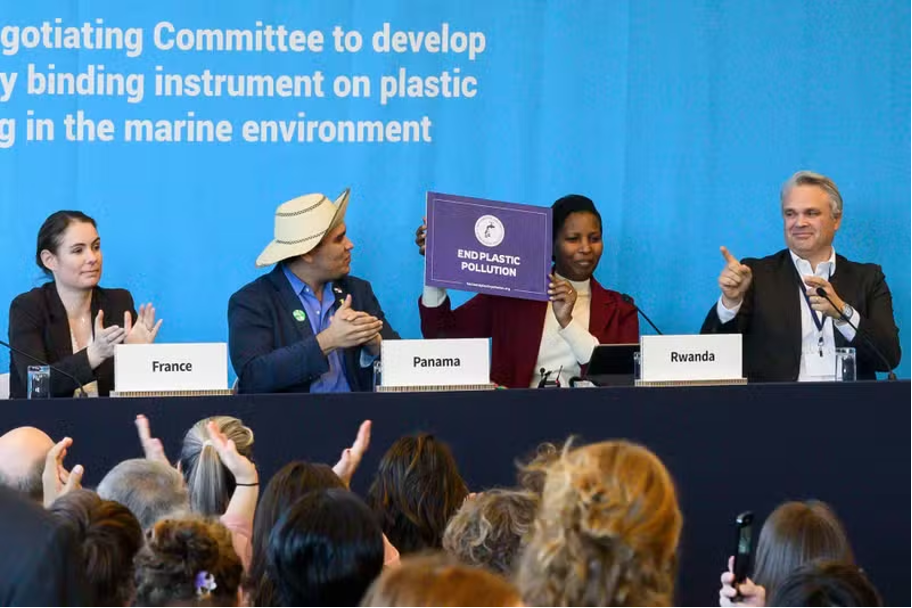
In our previous edition, we mentioned the Treaty of the week, the one negotiated for years that was supposed to put an end to plastic pollution! You could read that it was off to a bad start. This gloomy prediction has unfortunately proven correct. Delegates from 175 countries gathered in Busan (South Korea) for several days to agree on the fact that they disagreed… The initial goal was to reach a legally binding international instrument by the end of the year. However, as in Azerbaijan with COP 29, fossil fuel-producing countries, and therefore plastic producers, did not want to hear about reducing global production of the flagship material of the last sixty years. "Even by becoming champions of collection and recycling, we will not solve the problem of plastic pollution if we do not reduce the production of virgin plastics," repeated Agnès Panier-Runacher, former Minister of Energy Transition, who predicted "an uncertain agreement". Le Monde details how "the petrochemical lobby blocked negotiations on a global treaty," with "at least 220 representatives from the fossil fuel and chemical industry participating in the negotiations" in Busan, opposing any reduction in plastic production. Russia, Saudi Arabia, and Iran, in particular, pulled out all the stops to demand that the future Treaty must only concern waste management and recycling, a possibility the majority does not want to hear about, insisting on including a reduction in production. Around a hundred countries, including France, Le Mondereminds us, had joined a proposal from Panama to enshrine the principle of reducing plastic production, as demanded by the most stringent countries, while postponing the question of quantitative targets. If nothing is done, plastic pollution could triple worldwide by 2060, following a tripling of global production to 1.2 billion tons from 460 million tons in 2019, according to an OECD calculation. Meanwhile, negotiations on the Treaty are postponed. Procrastination, we said?
Without wanting to lecture… at (RE)SET we would like to remind that there is no war of materials, but rather appropriate uses in appropriate geographies and necessary efficiency. So yes, sometimes plastic is the right material, but by reducing it (as with all consumption) and not in countries without mature collection and recycling systems… Yet here, the facts are stubborn: 80% of the planet lacks such infrastructure, so plastics end up in the soil or the sea…
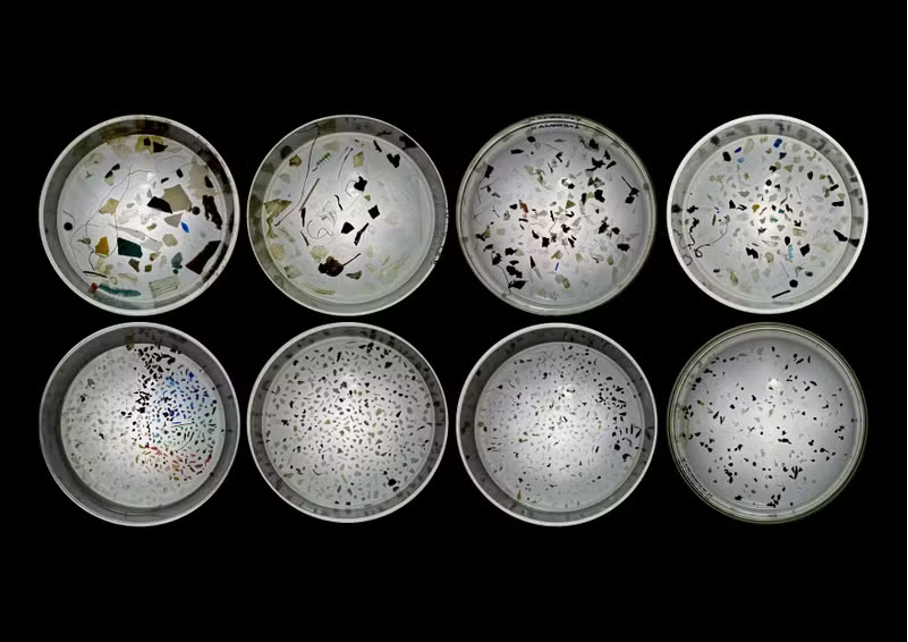
Plastic yet again and easy transition, the trash can of the week, or rather of recent decades, is the Mediterranean. Inexorably, our "Middle Sea" is becoming a trash sea, reveals a recent study by the association Expédition MED, reported by Le Monde . The concentration of plastic waste, and particularly microplastics, is higher than ever. Through its Vigieplastic Méditerranée campaign conducted during the summer, the organization measured microplastic particle levels that could reach two million per square kilometer in some areas, nearly double what was still observed in 2018-2019. "It's a semi-enclosed sea, so all the waste arriving daily from the 22 bordering countries accumulates, accumulates…," laments Bruno Dumontet, founder of Expédition MED and co-author of the study. "At the rate of plastic leakage, we will be faced with a large-scale environmental catastrophe within just a few decades", continues the one who worries about seeing the Mediterranean gradually turn into a "dead sea".
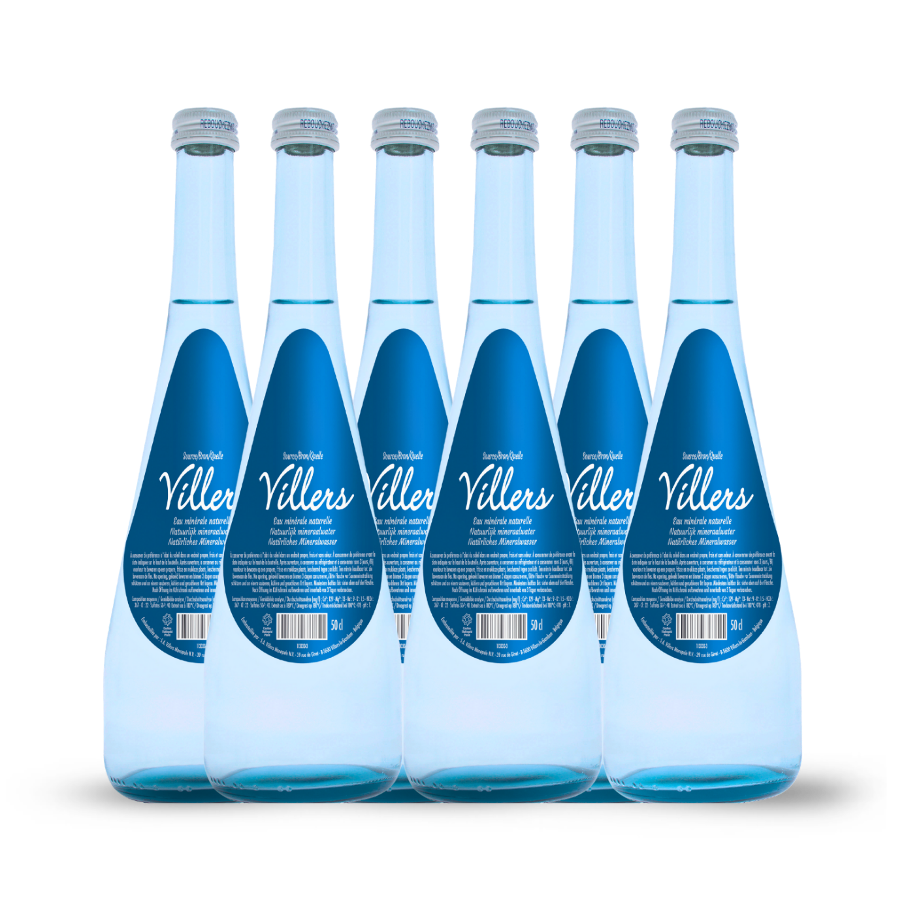
Pollution encore, le PFAS de la semaine est le TFA, ou acide trifluoroacétique. Pour reprendre la formule du Monde : trois lettres qui menacent la potabilité de l’ensemble des ressources en eau. Le TFA ne contamine pas seulement les fleuves, les rivières et l’eau du robinet. Issue principalement de la dégradation de certains pesticides, la plus petite molécule de la famille des PFAS (substances per- et polyfluoroalkylées) – ou polluants éternels – s’est également immiscée dans les eaux minérales en bouteilles, dont les sources sont pourtant censées être protégées de toute forme de contamination. Sur dix-neuf échantillons d’eaux minérales prélevés dans sept pays européens, dix présentent des traces de TFA, selon les résultats d’analyse publiés mardi 3 décembre par le réseau Pesticide Action Network Europe. Et parfois à des concentrations élevées. Pour sept échantillons, les niveaux dépassent le seuil réglementaire des métabolites de pesticides jugés « pertinents », fixé à 0,1 microgramme par litre (µg/l) pour l’eau potable. Avec 3,4 µg/l, le record revient à l’eau minérale naturelle Villers, commercialisée en Belgique. C’est 34 fois plus que la limite réglementaire. Avec 0,4 µg/l, Vittel, l’une des eaux minérales les plus consommées en France, se situe, elle, quatre fois au-dessus du seuil. Contacté par Le Monde, Nestlé Waters, qui commercialise la marque, assure que « Vittel peut être bue et a toujours pu être bue en toute sécurité ». Le géant agroalimentaire suisse soutient que la limite de 0,1 µg/l ne concerne pas le TFA, au motif qu’il ne ferait « pas partie des métabolites pertinents de pesticides » auquel s’applique ce seuil. Oui, mais depuis septembre, le flufénacet, un herbicide massivement utilisé en Europe et qui se dégrade dans l’environnement en TFA, a été reconnu officiellement comme un perturbateur endocrinien par l’Autorité européenne de sécurité des aliments. En conséquence, pour la Commission européenne, « le TFA est considéré comme un métabolite pertinent » en raison de sa « toxicité préoccupante » pour le développement. Le seuil de 0,1 µg/l doit donc lui être appliqué. Point besoin de procrastiner
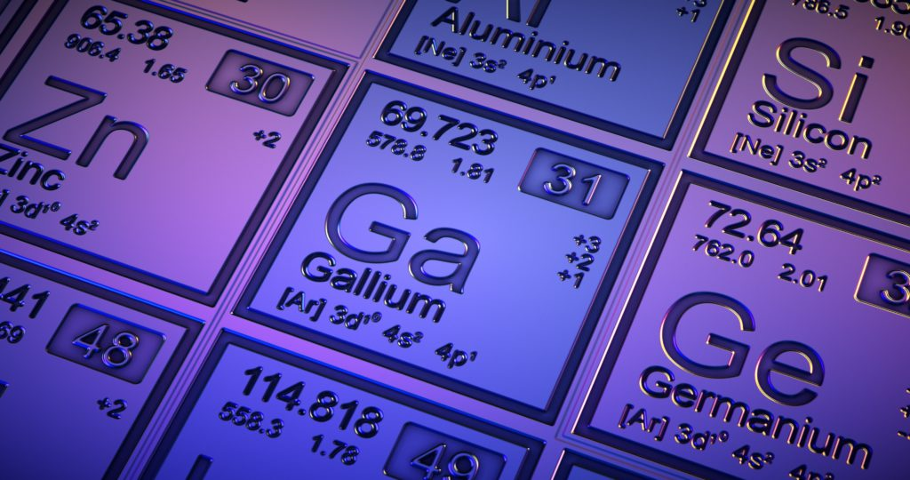
After water resources, it's time for the metal resource of the week ! And gallium and germanium are making headlines, at least in trade relations between the United States and China. Incensed by a US decision to blacklist 140 Chinese companies accused of acting in the interests of the Chinese government, with a focus on microchips and the tools to produce them, Beijing has just blocked its exports of certain strategic metals to the United States. The technological war between the planet's two top powers is raging. The Chinese Ministry of Commerce accuses Washington of having "politicized commercial and technological issues." Its statement explains that it will no longer issue export licenses for gallium, germanium, antimony, and other materials to the United States whenever they have potential dual civilian and military use. China is the top producer of these so-called "rare earth" metals used in the production of high-tech products, including microchips, solar panels, and satellites. At the same time, reports Le Monde, it announced that graphite shipments, used notably in batteries, will be subject to strict review.
The number of the week is 10.8 billion dollars. A big number, then. It represents the total online sales for Black Friday in the United States on Friday, November 29, reports Le Figaro. A new record, up more than 10% year-on-year. We could have chosen another number for the week: 12 million, the number of French consumers who visited shopping centers on the same day. Top purchases: toys, jewelry, home appliances, personal care, clothing, and electronics. It would be interesting to know the "sustainable" share of these purchases and their geographical origin... For environmental activists, Black Friday is indeed a black day. And a trend is noted, in France as elsewhere, of extending this "day," with commercial operations starting earlier and ending later. To the point that we may soon need to consider renaming this festival of overconsumption "Black Friday Month," as Capitalsuggests, noting that many online sites and stores have already done so.
At (RE)SET, we like to reconcile economy and ecology, but it's uncertain whether this can be achieved without a more qualitative and sustainable relationship with consumption.

We no longer know if recent announcements will remain forgotten in history or will be followed by action, political procrastination being what it is, but the "unraveling of the week"could be in agriculture, with the strong statements from the now former Minister of Agriculture, Annie Genevard: " Farmers are fed up with bans, procedures, and regulations", she told Agence France-Presse. "These are truly millstones that have accumulated to the point of undermining farm competitiveness", she added, presenting measures aimed, in short, at refocusing ANSES's work on more productivist priorities and limiting the role of the French Biodiversity Office, despised by some farming unions. An opportunity for Géraldine Poivert, founder of (RE)SET, to review the structural crisis of the sector via LinkedIn . "The agricultural world is prey to contradictory demands, the ultimate victims of which are the farmers," she reminds us before describing how three models have followed, or rather juxtaposed: the oldest is that of "world hunger," whose goal was to feed the world, "whatever the cost"; our dominant model in Europe today is rather that of "making ends meet," whose goal is to feed at the lowest possible cost; but the emerging model, the one we must strive for, is that of the "end of the world." Its goal is to preserve ecosystems, which themselves enable agricultural production. It is the most sustainable option, perhaps even the only sustainable one. An analysis largely shared by philosopher Gaspard Koenig a few days later in Les Echos, who denounces the "wall rising between science and agriculture."
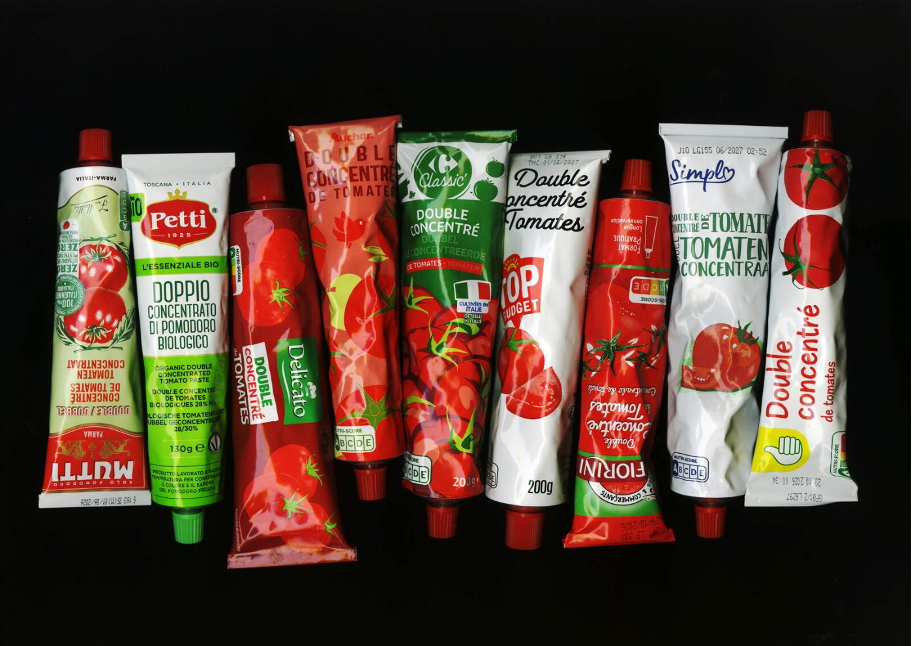
From agriculture to tomatoes, it's just a short step, one we happily take with our "denunciation of the week" (yes, another new column, destined for great success): Libération investigated, with the BBC, to trace the supply chains of tomato pulp that ends up in our supermarkets in France and elsewhere. Their headline is quite clear: "In European supermarkets, tomato sauce tainted by the forced labor of Uyghurs." And in another article, Libération goes further by giving us a guide: "How to know if my tomato puree was harvested by forced laborers in China?" It must be said that on 7 out of 10 tubes found in 6 supermarkets by the investigators, the labels leave room for doubt. Tomato sauce "made in Italy" possibly "made in Xinjiang," at least partially, is enough to see red! And perhaps even end up in court…
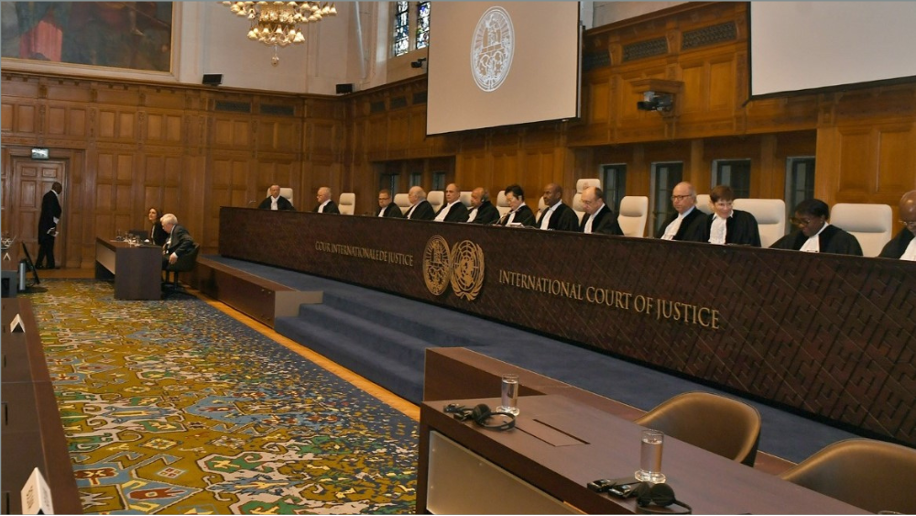
Court again, the complaint of the week is the one currently being considered by the International Court of Justice (ICJ). Novethic tells us almost everything about the subject. For two weeks, from December 2 to 13, the ICJ, the world's highest court, will hear nearly a hundred countries and 12 international organizations before delivering a non-binding advisory opinion sometime in 2025, which will determine the obligations and responsibilities of states on the issue. "The outcome of these proceedings will have repercussions for many generations, determining the fate of nations like mine and the future of our planet", stated Ralph Regenvanu, Vanuatu's special envoy for climate change, in his opening remarks on Monday, December 2. These hearings are " a turning point in the global fight against climate change", he added. It is this small island at the end of the world that is the origin of the case. In 2019, about thirty students from the University of the South Pacific, later joined by other students worldwide to form the World’s Youth for Climate Justice (WYCJ) coalition, launched a campaign to obtain such an advisory opinion from the ICJ. The judges will have to answer two key questions. First: What obligations do states have under international law to ensure the protection of the climate system and other components of the environment from anthropogenic greenhouse gas emissions for states and for present and future generations? Second: What are the legal consequences of these obligations when states, "by their acts and omissions, have caused significant harm to the climate system" with respect to states, particularly small island developing states, and with respect to peoples and individuals of present and future generations? Although the opinion is only advisory and therefore non-binding, the fact that it comes from the International Court of Justice gives it significant legal and moral weight. Courts may take it into account in their own decisions as they are increasingly called upon to address climate issues.
This good Christmas idea, a seasonal section, is based on the functional economy. The opposite, in a way, of "Black Friday"! Are you racking your brains again to figure out which umpteenth gift to give your children, which will end up like its predecessors in your attic or at the back of a closet? Then toy rental is for you – or at least for your children. It is now possible to rent for a month or more, depending on your offspring's playful versatility, a variety of toys based on the content of the letter to Santa Claus you have duly received. It's the concept ofan endless game, hopefully destined for a great future!

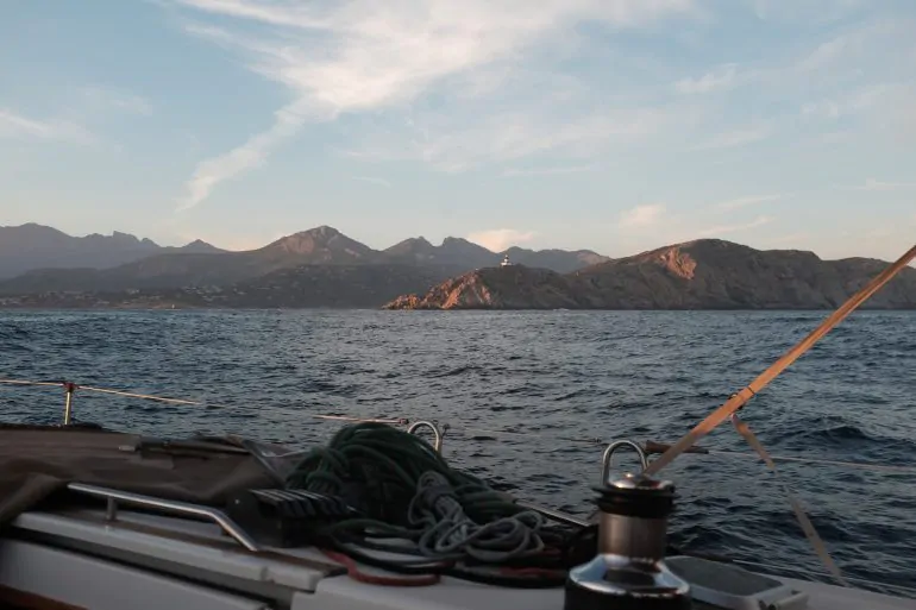
As the heroes of modern times, the skippers of the Vendée Globe , sail along Antarctica, our Maxime Blondeau section of the week promotes sailing and wind over engines and oil for reaching islands. On LinkedIn , we discover sailor Arthur Le Vaillant discussing the Sailcoop cooperative. The next time you want to reach Calvi, the Corsican jewel, from Saint-Raphaël, instead of the overcrowded and foul-smelling ferry, take the sailboat: 8 spots, good chances of spotting dolphins, whales, or sharks (!), for 216 euros, barely more than the fossil-fueled behemoth. A small note: depending on the wind, the journey lasts between 16 and 20 hours. The boat sets sail at 2 PM, with an estimated arrival the next morning. An additional small note: (RE)SET has no commission on Sailcoop's revenue; this is purely free advice.
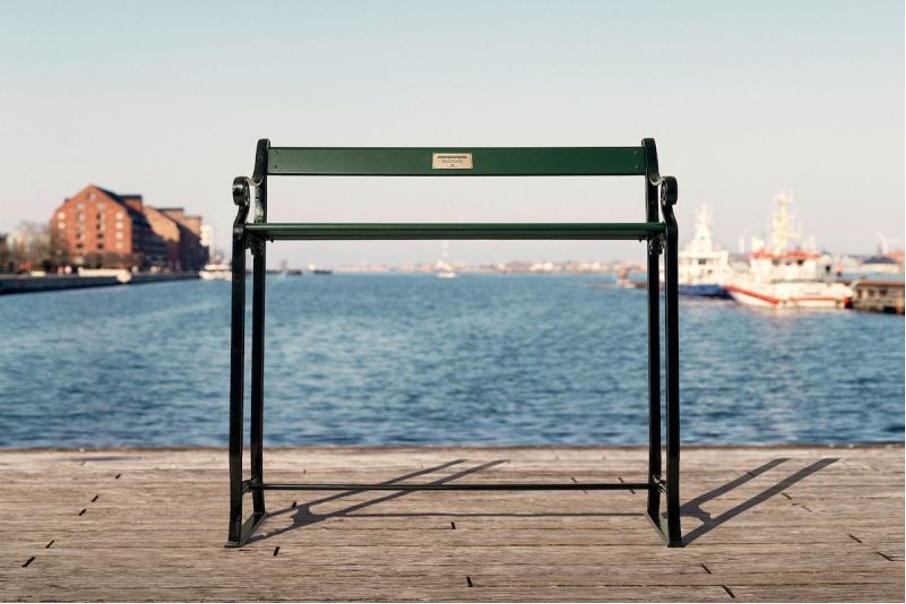
This riddle from our previous edition was certainly poetic but also very much related to our topics. So where does this bench come from and what message does it convey? Nothing to do with Brassens and his lovers on park benches, but a warning about sea-level rise due to global warming! Raising the bench to avoid having one's feet in the sea, a good "adaptation" idea, or rather an alert, put into practice on this pier in the port of Copenhagen, Denmark.
This week's riddle is less bucolic: what is this vehicle, blessed by the gods (that's the clue), and how does it concern us?

Good reads and have a great week!
[As a reminder, (RE)SET, founded in 2019, is the first independent consulting firm dedicated to economic and environmental transition and built for action. "(RE)SET: resources to win environmental and economic battles!" Inevitably partial, sometimes biased, always committed, this media review with its often spirited, even impertinent tone, in no way commits (RE)SET and even less so Julhiet Sterwen in its consulting activities, but it paints a picture we find interesting of the state of the transition as it appears in the press and research. A snapshot of the debate, of the forces at play, the oppositions, the convergences, which we hope is useful for your decisions and for building your transition strategies.]