Breaking (RE)NEWS du 4 octobre 2024
Hello,
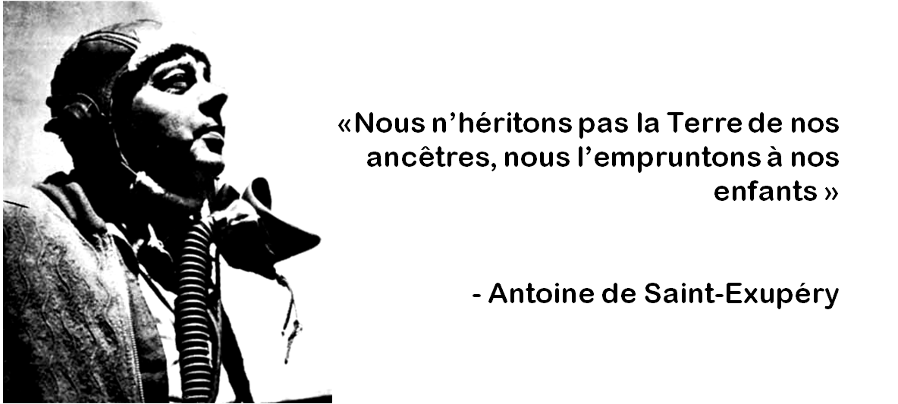
To paraphrase Paul Valéry, would the ecological debt be "one of those detestable" concepts "that have more value than meaning, that sing more than they speak, and demand more than they answer"? The Prime Minister's general policy speech raises this question, as all editorialists have been doing for several days. Should we take away from this speech the emphasis placed on the environment, a "sword of Damocles" placed on the same level as the country's financial situation? The grand phrases like this apocryphal quote from Saint-Exupéry, "We do not inherit the earth from our parents; we borrow it from our children," or that of Pierre Mendès France, "never sacrifice the future for the present"? It would be wrong to criticize them because they are so true, just as it would be absurd to criticize Michel Barnier for repeating his speeches and writings from thirty years ago, when he was Minister of the Environment. Nevertheless, doubt remains.
Le Monde wonders: "Who is in charge of ecological planning at Matignon? Michel Barnier, the former Minister of the Environment, conductor of a major law in the mid-1990s? Michel Barnier, the candidate in the right's primary who denounced wind energy in 2021? Or yet another Michel Barnier, the new prime minister under pressure from the 'very serious' situation of public finances, supported by an already restless minority and watched over by a climate-skeptic far right?" L'Usine Nouvelle is mocking, headlining "Towards a transition of the ecological transition," picking up the Prime Minister's words ("I will tell the truth about the reality of our public accounts and about the impact of our lifestyles on the environment") to note that "we will nevertheless have to wait to know which truth it is: at the end of the general policy statement, it is difficult to determine in which direction the environmental balance will tip."
"Circular economy," "solutions-based ecology," "decarbonization of factories," or "strengthening of our recycling sectors": everything is there, or almost! Regarding the energy transition, nuclear remains front and center as expected; the assessment of wind turbines (a traditional scarecrow for conservative parties) remains to be done. Also noteworthy is the announcement of a "major national conference on water." But there is nothing, or almost nothing, concrete, other than signs of retreat rather, Les Echos reports: support for households and businesses for energy renovation of buildings, the energy performance diagnosis (DPE), and the Net Zero Artificialization (ZAN) to be reviewed. Denunciation of possible "over-transpositions" of European directives. A call for fewer regulations weighing on farmers... Another rather discouraging sign: the new delineation of the Ministry of the Environment. Agnès Pannier-Runacher has established herself in this ministry, which reclaims energy, with the appointment of Olga Givernet as Minister Delegate. However, the housing sector will have its own ministry, and transport, maritime, and fisheries will be managed by delegate ministries placed elsewhere, notably under the aegis of the Ministry of Partnership with Territories. The link with local authorities also escapes the Ministry of Ecology, and forest management goes entirely to Agriculture, notes Le Monde. "The new minister will have her hands on virtually none of the sectoral policies necessary for the transition…", regretted Marine Braud, former ecology advisor at Matignon, on LinkedIn.
As often, the crucible will likely be the 2025 Finance Bill. With the reduction of the public finance deficit to 6% becoming the pressing urgency, only upcoming budget decisions will set the tone. And we will then know whether "climate debt" is a concept that sings more than it speaks.
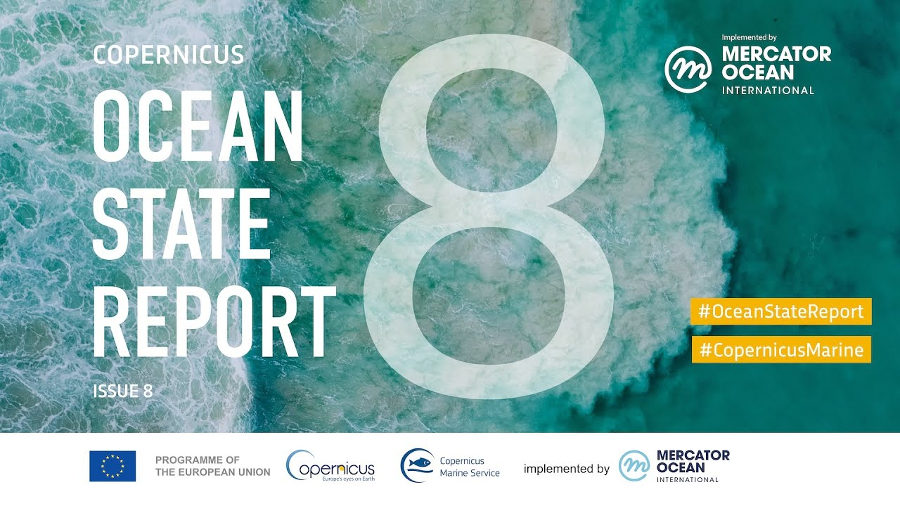
Our symbolic section, the weather of the week, is for a change dedicated to the seas. Because the rate of ocean warming has nearly doubled since 2005, according to the latest report from the European observatory Copernicus. This warming is explained by the fact that oceans have absorbed "more than 90% of the excess heat in the climate system" since 1970. " Ocean warming can be seen as our sentinel for global warming. It has been continuously increasing since the 1960s. And since about 2005, the rate of ocean warming has doubled ", emphasized oceanographer Karina von Schuckmann during a videoconference, presenting Copernicus's eighth report on the state of the oceans. Oceans are warming at a rate of 1.05 watts per square meter (W/m2) since 2005, compared to 0.58 W/m2 in previous decades, according to the report. This work reinforces the IPCC reports. In 2019, these UN-mandated climate experts estimated it "likely" that the rate of ocean warming "has more than doubled since 1993." Warmer waters lead to more violent hurricanes and storms, with their resulting destruction and floods. This warming is also accompanied by an increase in marine heatwaves. Thus, 22% of the world's oceans experienced at least one severe or extreme heatwave in 2023. More widespread, marine heatwaves also tend to become longer, with an average annual maximum duration that has doubled since 2008, from twenty to forty days. In 2022, a marine heatwave in the Mediterranean Sea penetrated about 1,500 meters below the surface, illustrating how heat can spread throughout the water column. Marine heatwave episodes can lead to migrations and mass mortality events of species, degrade ecosystems, and also reduce the ability of ocean layers to mix between the bottom and surface, thus hindering nutrient distribution. They can also "have implications for fish productivity," impacting fisheries, among other things. A fascinating report, to be read here.
Continuing with the climate crisis, the unexpected victims of the week are the giants of Easter Island! On this Polynesian island belonging to Chile, the "moai" are deteriorating visibly, to the point that some predict the transformation of the majestic stone statues into sand within just a few decades. An economic and cultural catastrophe for this small Chilean territory, barely the size of the Île d'Oléron, populated by 7,700 people. Today, the main peril is climate change, Le Monde explains in its on-site report: almost all the moai are built at the water's edge. However, the sea level is rising. The monuments are eroded by the waves, collapse, and fall into the sea. Furthermore, Rapa Nui is also now plagued by droughts of unprecedented intensity and duration. Not to mention the tropical storms, which are multiplying. In short, the giants of Easter Island, sculpted between the 13th and 15th centuries, are at great risk of turning into sand in the first half of the 21th.

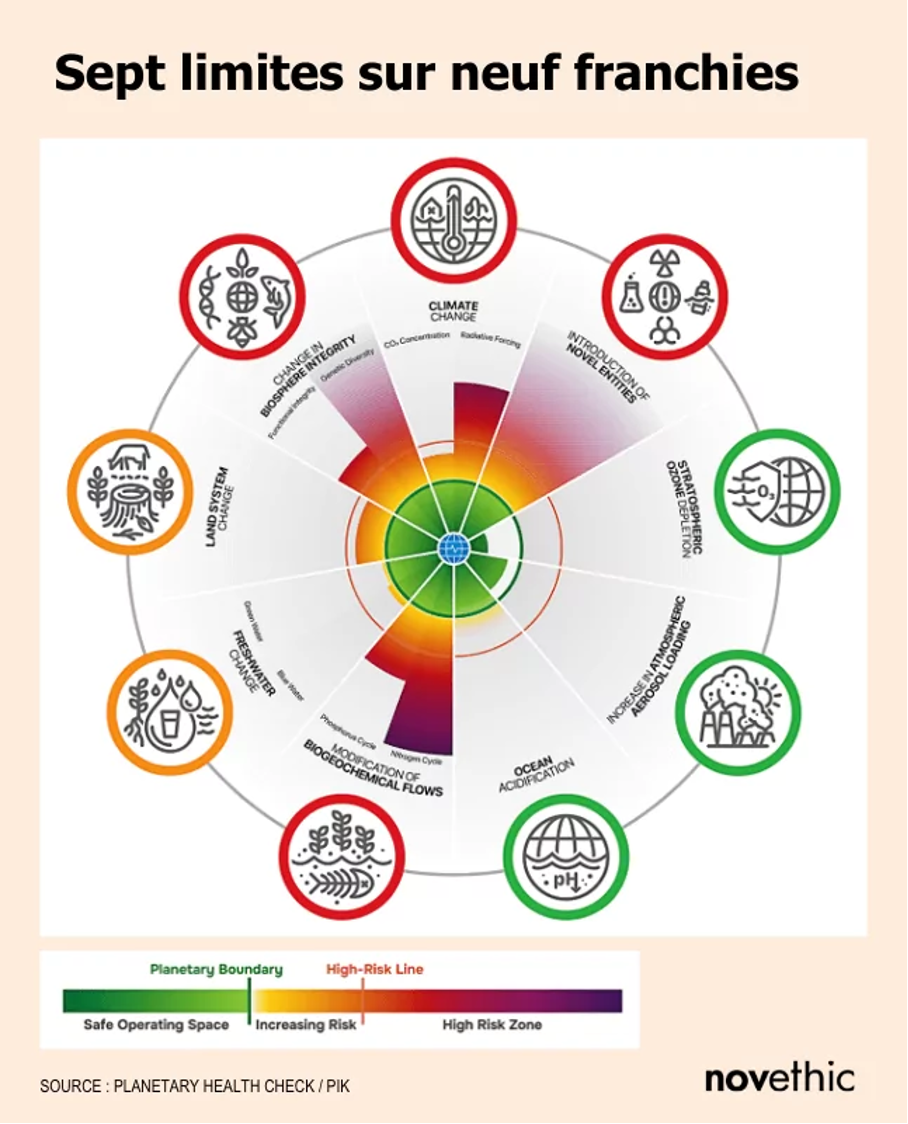
To stay with the marine element, the planetary boundary of the week is ocean acidity. "The overall diagnosis is that the patient, planet Earth, is in critical condition." These words are those of Johan Rockström, the director of the Potsdam Institute for Climate Impact Research (PIK), which has just published its first "Planetary Health Check." This health check, which will be updated annually, reviews the state of the nine planetary boundaries that regulate Earth's stability, its resilience capacity, and its habitability. Novethic commented on it in its columns. The results are alarming. Under the effect of human activities, six of these thresholds have already been crossed in recent years, and a seventh, ocean acidification, is about to be crossed "in the near future." A process that is "inevitable," according to the researchers, who worry about the many associated consequences. Linked to the absorption of carbon dioxide by the oceans, acidification leads to a decrease in the pH of water, making it harmful to many organisms. Ultimately, the entire marine food chain is threatened. Another impact, and not the least, acidification reduces "the oceans' capacity to trap carbon, which weakens their ability to mitigate global warming," the report's authors warn.
In a logical continuation, the concept of the week is "eco-anxiety," otherwise known as "climate anxiety." Google searches for the terms "eco-anxiety" and "climate anxiety" increased by 4,590% between 2018 and 2023, reveals in The Conversation a mental health specialist who has studied the phenomenon. Eco-anxiety was first documented in 2007. Since then, there has been an explosion of articles on the subject, both in scientific publications and in mainstream media. This has resulted in a proliferation of scales, definitions, and other related terms, such as "climate anxiety" or "ecological grief." Among the validated tools for measuring eco-anxiety, there are now "climate worry," "climate anxiety," and "climate distress" scales, which measure a range of cognitive, behavioral, affective, and functional symptoms. Many have been created and primarily tested in Northern countries. In academic literature, eco-anxiety has been defined in multiple and often variable ways: sometimes as "a chronic fear of environmental catastrophe," as "severe and debilitating worry related to a changing and uncertain natural environment," or as "various difficult emotions and mental states arising from environmental conditions and knowledge of them." In practice, many people use the word to describe a range of emotional states other than anxiety, including grief, anger, or guilt, or feelings of overwhelm, helplessness, and despair. Are these feelings the preserve of a pampered youth who, as killjoys might say, need to pull themselves together? The answer is no, according to the specialist, who notes that most of the people concerned are in fact suffering real consequences of the climate crisis (droughts, floods, extreme temperatures, rising sea levels, ...). Her conclusion is therefore that, mentally, one should rather worry about people who do not feel concerned by the state of the environment right now. So you can continue reading Breaking (RE)NEWS!

To return from the sea to the land, the weighty report of the week could be that of the European Court of Auditors on organic farming, published in late September and reported by Le Monde . Inconsistencies, gaps… The report's conclusions point to the weakness and lack of effectiveness of the Brussels strategy in this area. To the point that the set objective of having 25% of the Twenty-Seven's agricultural land cultivated organically by 2030 "seems out of reach," the institution estimates. It specifies that in 2022, this rate was 10.5% on European territory, or 17 million hectares. An average that hides strong disparities, with Austria at the top with 25% of its usable agricultural area cultivated organically, followed by Estonia, Sweden, and Portugal, while the ratio is below 5% for the Netherlands, Poland, Bulgaria, Ireland, and Malta. France ranks fifteenth with a rate of 10.1%. The Court estimates that, between 2014 and 2022, 12 billion euros were injected to develop this agriculture, which forgoes synthetic fertilizers and pesticides. This represents a little over 2% of the total cumulative amount of the European agricultural budget over this period, estimated at nearly 520 billion euros. About 15 billion additional euros are planned by 2027. These subsidies have allowed the expansion of land converted to organic farming. "But for lasting success, it is not enough to focus on increasing the area of land organically farmed. It is also necessary to support the sector as a whole by developing the market and increasing production," the report explains, driving the point home: "without this, we risk creating an unbalanced system entirely dependent on EU funds, rather than a thriving activity driven by informed consumers." This lead Les Echos to state that the European Court of Auditors criticizes Brussels' method: the auditors deplore that the 12 billion spent by the EU on the sector since 2014 have only served to increase organic farmland, without creating a market. Finally, the rapporteurs estimate that to achieve the 25% organic land target by 2030, the current rate of adoption of this agriculture would need to double. Otherwise, "Europe could miss the boat."
The link is easy to the investigation of the week, conducted by environmental NGOs and media on banned pesticides that France no longer uses but continues to export in mass outside the EU, with conclusions reported in Le Monde. To make a long story short: France continues to export banned substances… which then return in imported fruits and vegetables! To put an end to a practice described as "odious" by the United Nations, France has prohibited since 2022 the export of pesticides whose use is banned in the European Union (EU) due to their harmfulness to health or the environment. But two years after the entry into force of this world-pioneering law, France nevertheless continues to produce thousands of tons of banned pesticides and ship them to countries with less protective regulations, such as Brazil (the top destination), Ukraine, Russia, or India. Boomerang effect: these highly toxic chemical substances return to French supermarket shelves through the importation of fruits, vegetables, or spices treated with these pesticides. Another consequence of these continued exports: pollution of water resources around production sites in France. These are the main conclusions of several investigations conducted by associations (Public Eye, Unearthed, and Pesticide Action Network Europe) and by the team of the program "Vert de rage," which has just been broadcast on France 5.
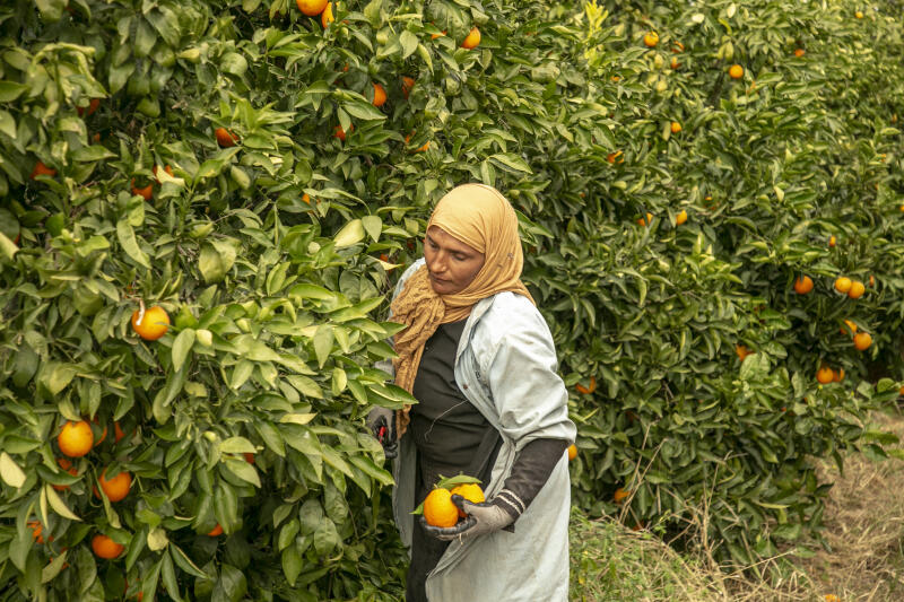
Mineral resource this time, the uncertainty of the week concerns the lithium mine project in Allier. If it sees the light of day, this project will be one of the largest mining developments in metropolitan France in over fifty years. The National Commission for Public Debate (CNDP) has just presented the summary of its work regarding this project carried by the Imerys group. Named Emili (for "exploitation of lithiniferous mica") with an estimated investment of one billion euros for the French industrialist, this program was the subject of a five-month public debate that ended in late July, marked by strong citizen participation – more than 3,000 participants at twelve public meetings – but also by tensions from its opponents. Imerys promises, in the long term, between 500 and 600 direct jobs, and a thousand indirect jobs, in a department suffering from demographic and economic distress. The company plans to produce, starting in 2028, 34,000 tonnes of lithium hydroxide per year, which would equip 700,000 electric vehicle batteries. The Bourbonnais mine would then be an important link in the French policy aimed at building a national sector for strategic minerals and metals, in order to be less dependent on imports, particularly from China, Le Mondereminds us. But the public debate brought up local concerns related to environmental risks (waste management, water usage, risk of subsoil pollution, impact on biodiversity) and socio-economic risks (actual job benefits, land use planning, sharing of mining revenue for selected municipalities). As often in ecological and economic transition topics, nothing is simple, but one thing is certain: here as elsewhere, it is difficult to have the butter (sovereignty) and the money for the butter (pollution elsewhere), not to mention the rest… But at (RE)SET, reconciling the apparently irreconcilable is our specialty!
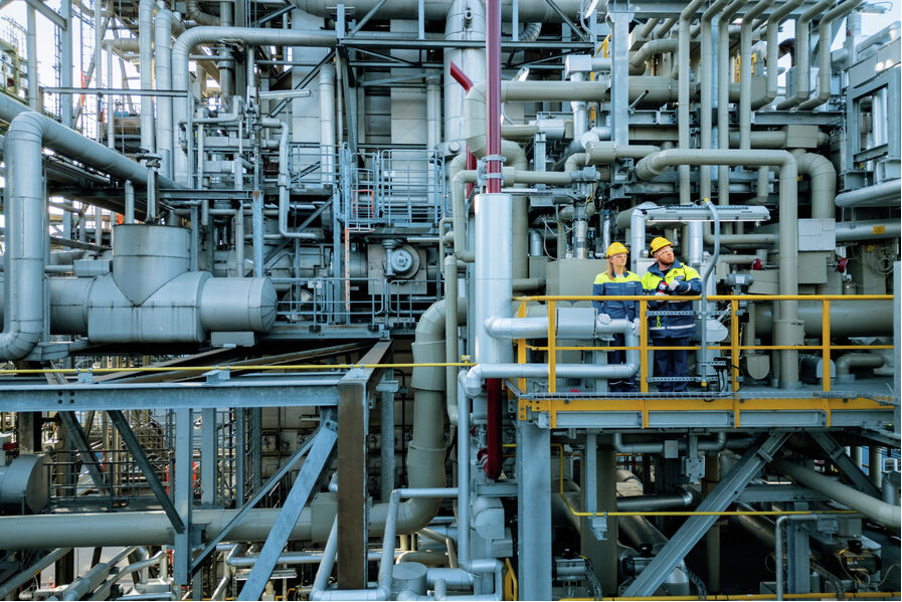
The molecule of the week is hydrogen. Advocates of hydrogen often present it as a cornerstone of the transition, notably through metaphors like "green" or "blue" colors to present it in a decarbonized light. The molecule certainly has a role to play, but it is often portrayed in an overly optimistic light, according to researchers cited by The Conversation. Many claim it will become a mainstay of our energy supply, for heating, air and truck transport, and even that it will allow us to store intermittent renewable energies. For some, it represents the energy of the future, whose varied and unlimited uses will allow our economies to detach from fossil fuels. In recent years, a new economy has been built around hydrogen, supported by national plans and extraordinary investments. Yet, scientists believe that this enthusiasm is based more on the effectiveness of communication and storytelling than on concrete facts. Before it was considered a viable energy option by the public and policymakers, hydrogen was mainly known as a reagent in oil refining or in the production of ammonia and methanol. Even today, almost all of the hydrogen available on the market, nearly 95 million tons, is destined for these applications, while the use of hydrogen for energy purposes remains marginal. One of the major constraints of hydrogen is that it does not occur naturally in significant quantities on Earth, except in a few rare geological deposits. This means that hydrogen must be produced before it can be used. Today, its synthesis relies almost exclusively on fossil inputs and requires large amounts of non-renewable energy. Currently, the molecule is obtained either by steam reforming of natural gas, by coal gasification, or by steam cracking of petroleum hydrocarbons. These production methods, which are the most efficient and cost-effective industrial options, all rely on carbon-based fossil raw materials. Hydrogen production from water, while widely publicized, remains rare at an industrial stage. Regardless of the industrial production method currently used, substantial carbon dioxide (CO2) emissions are generated without being mitigated, in addition to substantial fugitive methane emissions throughout the supply chain for certain fossil resources. In 2022, they exceeded one billion tons, giving the hydrogen production chain one of the largest carbon footprints in all of manufacturing. Given this alarming carbon footprint, it is therefore paradoxical to see that a molecule initially used as an artificial chemical reagent is now touted as a clean energy source in a world seeking climate change solutions.
The duty of the week is that of vigilance, of course. The newspaper La Croix examined the question in a fascinating investigation and draws the following conclusion: a "silent revolution is underway" in companies. According to the website of the Vigilance Duty Radar, created in partnership by Sherpa and CCFD-Terre Solidaire, 85% of the 263 companies subject to the duty of vigilance in France had published a vigilance plan in 2022. "Even if it takes time to establish itself, we note that the plans are more substantial, with more details and information," notes Lucie Chatelain, advocacy manager at Sherpa. In her practice, Diane Buisson, a labor lawyer at Redlink, sees "a growing awareness on the part of companies, which have clearly understood the risk that the duty of vigilance represents for them. Especially since anyone with an interest in acting – including a private individual whose life might be impacted – can use the law." NGOs, unions, and local authorities have not hesitated. Around thirty proceedings (fifteen of which are ongoing) have targeted French giants in energy, finance, or agribusiness. After six years of formal notices and appeals with no judicial follow-up, the Paris court condemned La Poste for the first time in December 2023 (they appealed), for the inadequacy of its vigilance plan in a case concerning the employment of undocumented workers in its subsidiaries. In June 2024, the judge took a further step by declaring admissible appeals concerning the climate obligations of TotalEnergies, EDF, and a former Suez subsidiary. "There will one day be a great foundational trial for the duty of vigilance," predicts an actor in the sector, who is already beginning to perceive the concrete effects of this new legislation on company life. By conducting its "inquiry" into the extractive, textile, and cocoa supply chains, it found that they had "irreversibly" integrated this new legal reality, "changing their processes, revising resource procurement, mobilizing their purchasing departments." At least some of them… For the others, there is still time to build a risk/vulnerability matrix. At (RE)SET, we know how to do it.
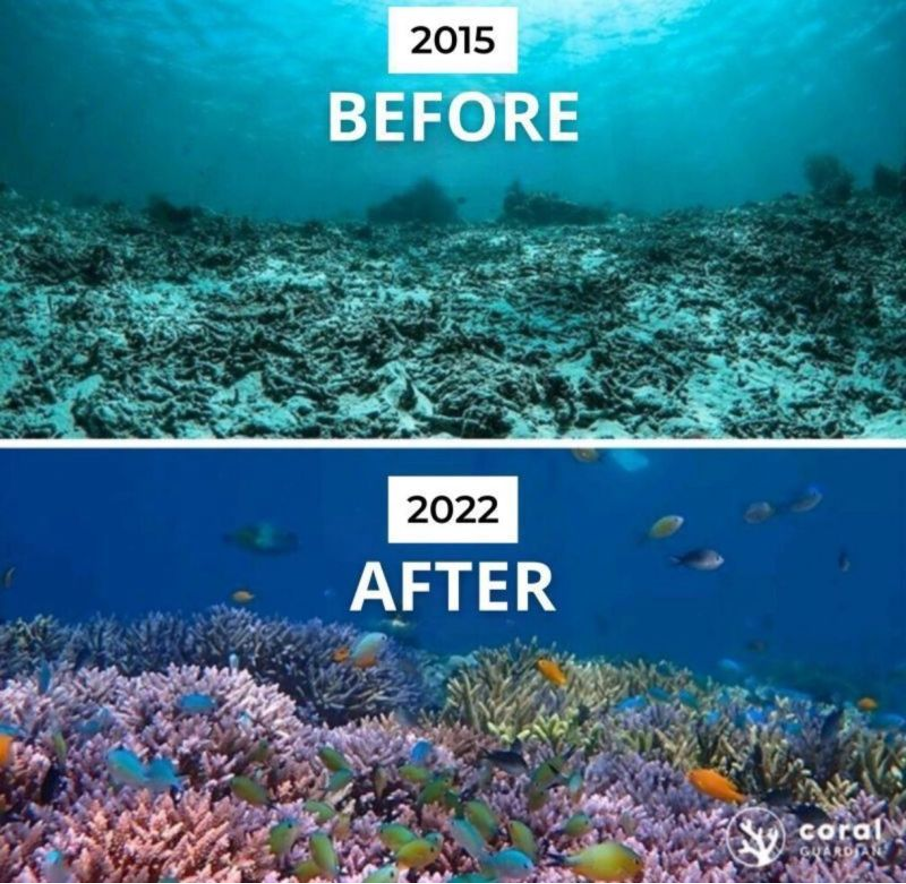
Our Maxime Blondeau section of the week is, for once, optimistic and brings us back again to the ocean. It took only 7 years to restore the coral reef in the Indonesian sea photographed below. Yes, it's possible!Coral Guardian is a French NGO that has restored over 72,000 coral reefs.
If we do nothing, almost 90% of coral reefs risk disappearing by 2050.
It is attention and care that can make the difference. To be part of the solution, "adopt a coral," launches Maxime Blondeau on his LinkedIn !
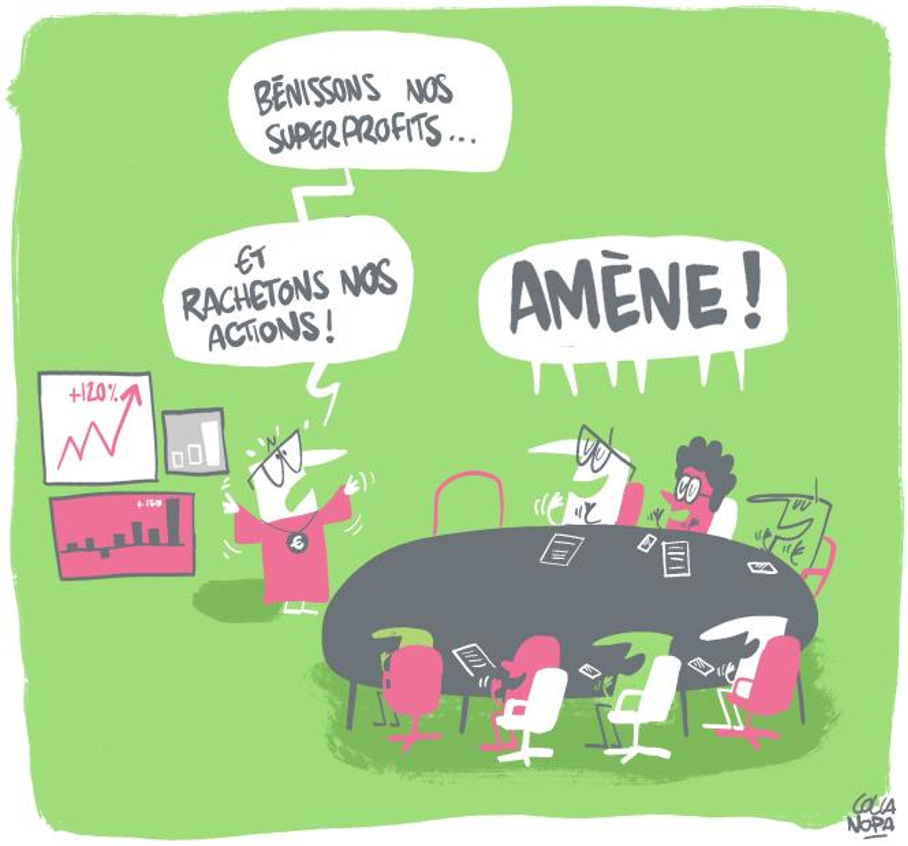
At the risk of reinforcing the eco-anxiety of some, this is the great return of our TotalEnergies section ! Not content with announcing a share buyback of 8 billion euros in 2024 and a similar amount in 2025 – a measure highly criticized on economic and social grounds and which even the Barnier government thinks little of – our national fossil fuel champion has announced it aims for 3% annual growth in its hydrocarbon activities, mainly liquefied natural gas (LNG), which is supposed to emit half as much CO2 as oil, Le Figaroreminds us. Simultaneously, the group continues to develop its electricity production activities, which should exceed 100 terawatt-hours by 2030. This will represent nearly 20% of the Company's energy production by that time. TotalEnergies finally confirms "net investments between 16 and 18 billion dollars per year over the 2025-30 period, of which around 5 billion will be dedicated to low-carbon energy." Yes: 5 billion in low-carbon investments over 5 years, compared to 16 billion spent on share buybacks solely for the benefit of shareholders in two years. Look for the mistake!
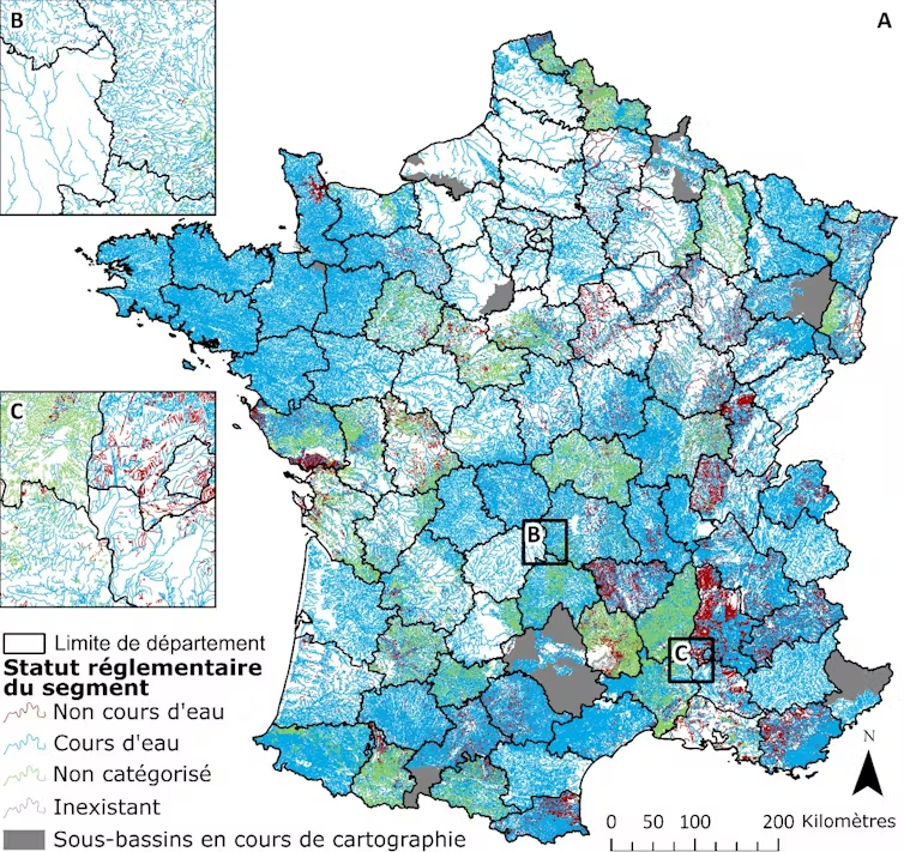
The riddle from our previous edition was supposed to be simple, since it was an unprecedented, captioned map of watercourses in France, according to their status. But what was the main surprise it revealed? Simply that watercourses often change their legal status depending on the localities, departments, and regions they cross… This greatly complicates their optimal management!
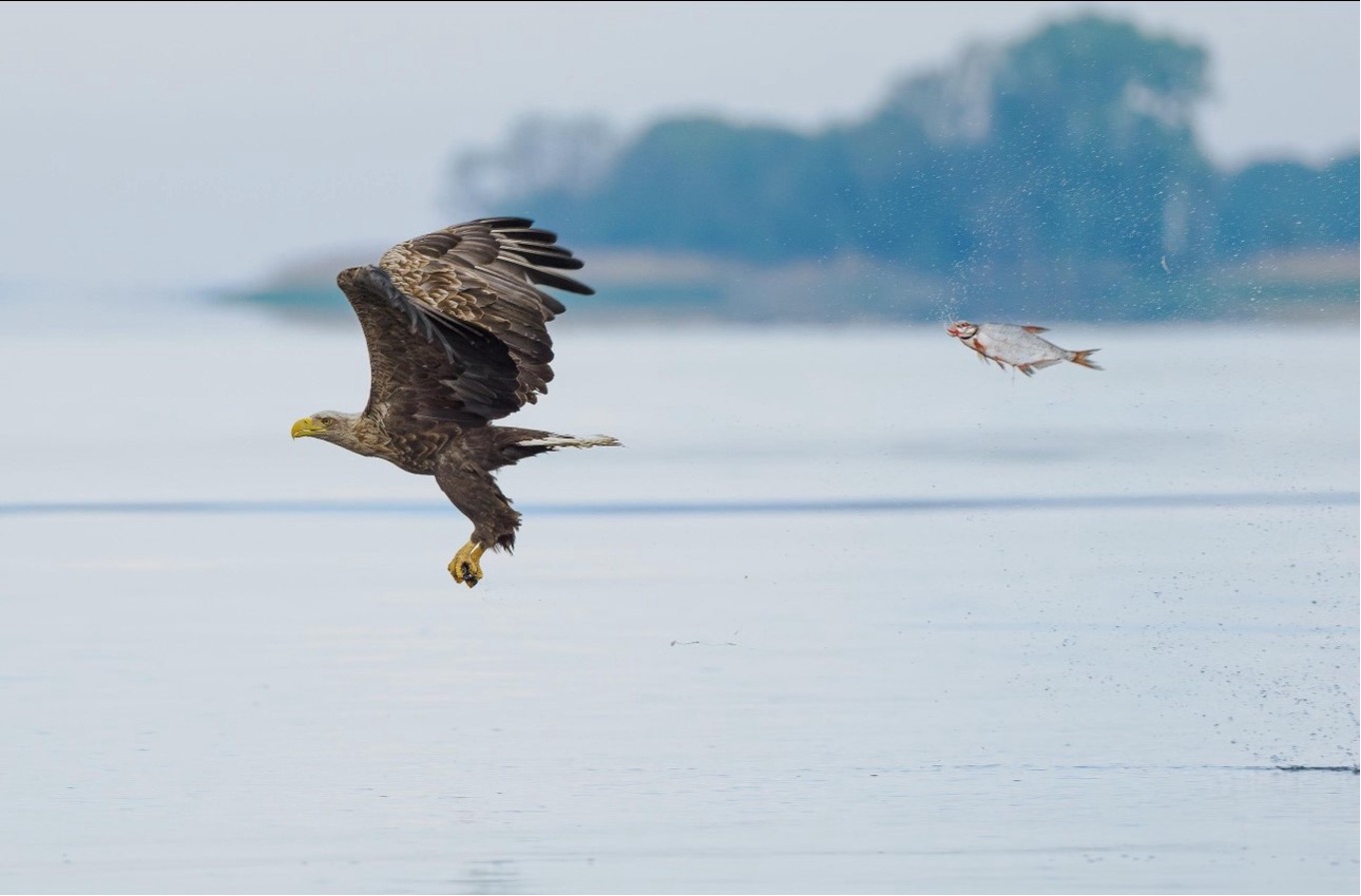
To end on a cheerful note, our riddle of the week is guaranteed without recourse to Artificial Intelligence. It reminds us of the beauty of animal life, but what is it?
Happy reading and have a great weekend!
[As a reminder, (RE)SET, founded in 2019, is the first independent consulting firm dedicated to economic and environmental transition and built for action. "(RE)SET: resources to win environmental and economic battles!" Inevitably partial, sometimes biased, always committed, this media review with its often spirited, even impertinent tone, in no way commits (RE)SET and even less so Julhiet Sterwen in its consulting activities, but it paints a picture we find interesting of the state of the transition as it appears in the press and research. A snapshot of the debate, of the forces at play, the oppositions, the convergences, which we hope is useful for your decisions and for building your transition strategies.]